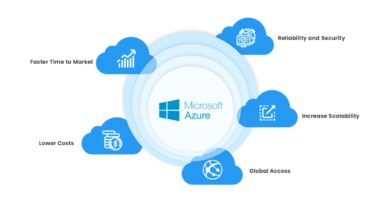
Accessing the Azure portal is your first step into a world of cloud power. Whether you’re managing virtual machines or deploying AI models, knowing how to sign in to Azure portal smoothly can save time and prevent frustration. Let’s break it down—simply, clearly, and securely.




Sign In to Azure Portal: The Complete Step-by-Step Guide

Signing in to the Azure portal might seem straightforward, but understanding every step ensures you avoid common pitfalls. Whether you’re a first-time user or an experienced admin, this guide will walk you through the entire process with clarity and precision.
Step 1: Navigate to the Official Azure Portal
The first step to sign in to Azure portal is visiting the correct website. Always use https://portal.azure.com to ensure you’re on the legitimate Microsoft site. Avoid clicking links from unverified emails, as phishing attempts often mimic the login page.
- Open your preferred browser (Chrome, Edge, Firefox, or Safari).
- Type portal.azure.com directly into the address bar.
- Ensure the site uses HTTPS and displays a padlock icon for security.
Using the correct URL prevents man-in-the-middle attacks and protects your credentials.
Step 2: Enter Your Credentials
Once on the Azure sign-in page, you’ll be prompted to enter your account information. This is typically your email address associated with your Microsoft or Azure Active Directory (Azure AD) account.
- Enter your work or school email (e.g., user@company.com).
- Click ‘Next’.
- Enter your password and click ‘Sign in’.
If you’re using a personal Microsoft account (like outlook.com or hotmail.com), you can still sign in, but full Azure functionality may require a subscription linked to an organizational account.
“Always double-check the URL before entering your password. A single typo can lead to credential theft.” — Microsoft Security Best Practices
Step 3: Complete Multi-Factor Authentication (MFA)
After entering your password, most organizations require Multi-Factor Authentication (MFA) for added security. This could include:
- Approving a notification via the Microsoft Authenticator app.
- Entering a code sent via SMS or phone call.
- Using a hardware security key like YubiKey.
MFA significantly reduces the risk of unauthorized access, even if your password is compromised.
Common Issues When Trying to Sign In to Azure Portal
Even with the right credentials, users often face obstacles when attempting to sign in to Azure portal. Understanding these issues helps you troubleshoot quickly and maintain productivity.
Issue 1: Forgotten Password or Locked Account
One of the most frequent problems is forgetting your password or having your account locked due to multiple failed attempts.
- Click ‘Forgot password?’ on the sign-in screen.
- Follow the prompts to reset your password using a recovery email or phone number.
- If your account is locked, wait 30 minutes or contact your administrator.
Organizations using Azure AD can configure self-service password reset (SSPR), allowing users to regain access without IT intervention.
Issue 2: Incorrect Tenant or Directory Selection
If you belong to multiple organizations or have several Azure subscriptions, you might sign in to the wrong tenant.
- After signing in, check the top-right corner for your account name and directory.
- Click your profile icon and select ‘Switch directory’ to choose the correct one.
- Bookmark the direct tenant URL (e.g., https://portal.azure.com/?tenantId=your-tenant-guid) for faster access.
Signing in to the wrong directory can lead to confusion, missing resources, or permission errors.
Issue 3: Browser Compatibility and Cache Problems
Sometimes, the issue isn’t with Azure—it’s with your browser. Outdated browsers or corrupted cache can block access.
- Use a supported browser: Microsoft Edge, Google Chrome, Mozilla Firefox, or Apple Safari.
- Clear cookies and cache related to portal.azure.com.
- Try opening the site in an incognito or private browsing window.
If problems persist, disable browser extensions like ad blockers or privacy tools that may interfere with Azure’s authentication flow.
How to Sign In to Azure Portal Using Different Account Types
Not all accounts are created equal. Depending on your role and organization, you may use different types of accounts to sign in to Azure portal. Knowing the differences ensures smooth access.
Work or School Account (Azure AD)
This is the most common account type for enterprise users. It’s managed by your organization through Azure Active Directory.
- Used by employees, contractors, and partners in corporate environments.
- Admins can enforce policies like MFA, conditional access, and session timeouts.
- Supports single sign-on (SSO) with other Microsoft 365 services.
To sign in, use your organizational email (e.g., john@contoso.com) and follow your company’s authentication process.
Microsoft Personal Account
A personal Microsoft account (formerly Live ID) lets individuals access Azure for personal projects or learning.
- Use an @outlook.com, @hotmail.com, or @live.com email.
- Can be linked to a free Azure account with $200 credit.
- Limited administrative capabilities compared to work accounts.
While you can sign in to Azure portal with a personal account, full enterprise features require Azure AD integration.
Guest User Accounts (B2B Collaboration)
Organizations often invite external users as guests to collaborate on projects.
sign in to azure portal – Sign in to azure portal menjadi aspek penting yang dibahas di sini.
- Guests receive an email invitation and can sign in using their own Azure AD or Microsoft account.
- Access is controlled via role-based access control (RBAC).
- Guests appear in the directory with a #EXT# suffix in their username.
This model enables secure cross-organization collaboration without sharing credentials.
Security Best Practices When You Sign In to Azure Portal
Every time you sign in to Azure portal, you’re accessing potentially sensitive data and infrastructure. Implementing security best practices protects your organization from breaches and misuse.
Enable Multi-Factor Authentication (MFA)
MFA is one of the most effective ways to secure your Azure login.
- Requires two or more verification methods: something you know (password), something you have (phone), or something you are (biometrics).
- Reduces account compromise risk by over 99.9% according to Microsoft.
- Can be enforced via Conditional Access policies in Azure AD.
Even if a password is leaked, MFA blocks unauthorized access.
Use Conditional Access Policies
Conditional Access allows organizations to set rules for when and how users can sign in.
- Block access from untrusted locations or devices.
- Require compliant devices (e.g., Intune-managed) for access.
- Enforce MFA for specific apps or high-risk sign-ins.
These policies are configured in the Azure AD portal and apply dynamically during the sign-in process.
“Security is not a one-time setup—it’s an ongoing process of monitoring and adapting.” — Azure Security Center
Monitor Sign-In Logs and Anomalies
Azure AD provides detailed sign-in logs to help detect suspicious activity.
- Navigate to Azure AD > Monitoring > Sign-in logs.
- Filter by user, app, status (success/failure), or risk level.
- Integrate with Azure Monitor or Microsoft Sentinel for automated alerts.
Regularly reviewing logs helps identify brute force attacks, impossible travel, or unauthorized access attempts.
How to Sign In to Azure Portal Using CLI and PowerShell
While the web portal is user-friendly, many administrators prefer command-line tools for automation and scripting. You can sign in to Azure portal indirectly using Azure CLI or Azure PowerShell.
Sign In Using Azure CLI
The Azure Command-Line Interface (CLI) is a cross-platform tool for managing Azure resources.
- Install Azure CLI from Microsoft’s official site.
- Run
az loginin your terminal. - A browser window will open; sign in with your credentials.
After successful authentication, the CLI stores your session and allows you to run commands like az group list or az vm create.
Sign In Using Azure PowerShell
Azure PowerShell is ideal for Windows administrators and automation scripts.
- Install the
Azmodule via PowerShell Gallery. - Run
Connect-AzAccountin PowerShell. - Sign in through the pop-up browser window.
You can also sign in non-interactively using service principals for automated workflows.
Using Service Principals for Automation
For scripts and CI/CD pipelines, use service principals instead of user accounts.
- Create a service principal in Azure AD with limited permissions.
- Use its client ID, secret, and tenant ID to authenticate.
- Example:
az login --service-principal -u CLIENT_ID -p CLIENT_SECRET --tenant TENANT_ID
This method avoids storing user credentials in scripts and follows the principle of least privilege.
Accessing Azure Portal from Mobile Devices
You don’t always need a desktop to sign in to Azure portal. Microsoft offers mobile solutions for on-the-go management.
Using the Azure App on iOS and Android
The official Azure app allows you to monitor resources, receive alerts, and perform basic actions from your phone.
- Download ‘Microsoft Azure’ from the App Store or Google Play.
- Open the app and tap ‘Sign in’.
- Enter your credentials and complete MFA.
The app supports push notifications for critical alerts and provides a simplified dashboard view.
Mobile Browser Access
You can also access portal.azure.com directly from your mobile browser.
- Open Safari (iOS) or Chrome (Android).
- Go to https://portal.azure.com.
- Sign in as you would on desktop.
Note: The mobile web experience is functional but less optimized than the native app.
Best Practices for Mobile Security
Mobile access introduces new risks. Follow these tips to stay secure:
sign in to azure portal – Sign in to azure portal menjadi aspek penting yang dibahas di sini.
- Enable device passcode or biometric lock (Face ID, fingerprint).
- Avoid public Wi-Fi when signing in; use a trusted network or VPN.
- Enable remote wipe in case your device is lost.
Consider using Microsoft Intune to enforce mobile device management (MDM) policies.
Advanced Tips for Power Users Signing In to Azure Portal
For experienced users, there are advanced techniques to streamline and enhance the sign-in experience when you sign in to Azure portal.
Use Azure Cloud Shell for Instant Access
Azure Cloud Shell is a browser-based command-line environment that launches directly from the portal.
- After signing in, click the Cloud Shell icon (>) in the top toolbar.
- Choose Bash or PowerShell.
- Start managing resources without installing any tools.
Cloud Shell automatically authenticates you, so no need to run az login manually.
Create Direct Links to Specific Resources
Skip navigation by creating bookmarks to specific Azure resources.
- Navigate to a resource (e.g., a virtual machine).
- Copy the full URL from your browser.
- Share or bookmark it for quick access.
You can also use deep links in emails or documentation to guide team members to exact locations.
Leverage Azure AD My Apps Portal
The My Apps portal (https://myapps.microsoft.com) provides a user-friendly dashboard for all your apps, including Azure.
- Sign in once and access Azure, Office 365, and other SaaS apps.
- Use it as a single point of entry for hybrid environments.
- Customize the layout and pin frequently used apps.
This is especially useful for users who work across multiple Microsoft services.
How do I recover my Azure account if I can’t sign in?
If you can’t sign in to Azure portal, start by resetting your password via the ‘Forgot password?’ link. If you’re using a work or school account, contact your Azure administrator. They can reset your password, unlock your account, or check for conditional access policies blocking your access. You can also use the Azure AD Self-Service Password Reset portal if your organization has enabled it.
Can I sign in to Azure portal without MFA?
It depends on your organization’s security policies. While Microsoft strongly recommends MFA, some accounts may not require it. However, administrators should enforce MFA for all users, especially those with elevated privileges. Personal accounts may not have MFA enforced by default, but it’s highly recommended to enable it manually for better security.
What should I do if I’m signed in but can’t see my resources?
If you’ve successfully signed in to Azure portal but don’t see your resources, check your directory and subscription context. Click your profile icon in the top-right and ensure you’re in the correct directory. Then, verify your subscription filter in the top toolbar. You may not have permissions (RBAC) to view certain resources—contact your administrator to confirm your role assignments.
Is it safe to sign in to Azure portal on public computers?
It’s not recommended to sign in to Azure portal on public or shared computers. If absolutely necessary, use private/incognito mode, avoid saving passwords, and sign out explicitly when done. Better yet, use the Microsoft Authenticator app for secondary verification and ensure your session expires quickly. Always assume public devices are compromised.
How can I automate sign-in for scripts and tools?
For automation, avoid interactive sign-in. Instead, use service principals with Azure CLI or PowerShell. Create an app registration in Azure AD, assign it the necessary roles, and use its credentials (client ID and secret or certificate) to authenticate. This method is secure, scalable, and suitable for CI/CD pipelines and scheduled tasks.
Signing in to Azure portal is more than just entering a username and password—it’s the gateway to managing your entire cloud infrastructure. From basic login steps to advanced security configurations, understanding the full scope ensures you stay productive and protected. Whether you’re a beginner or a pro, applying the tips in this guide will make your Azure experience smoother, faster, and safer. Always prioritize security, keep your tools updated, and leverage automation where possible. Now that you know how to sign in to Azure portal the right way, you’re ready to take full control of your cloud journey.
sign in to azure portal – Sign in to azure portal menjadi aspek penting yang dibahas di sini.
Recommended for you 👇
Further Reading: