Cloud computing has revolutionized how businesses operate, and MS Azure stands at the forefront of this digital transformation. With unmatched scalability, enterprise-grade security, and seamless integration with Microsoft tools, MS Azure empowers organizations to innovate faster and smarter.

What Is MS Azure and Why It Matters

Microsoft Azure, commonly referred to as MS Azure, is a comprehensive cloud computing platform developed by Microsoft. Launched in 2010, it has grown into one of the world’s leading cloud service providers, second only to Amazon Web Services (AWS) in market share. MS Azure offers over 200 services, including computing, analytics, storage, networking, and machine learning, enabling businesses to build, deploy, and manage applications across a global network of data centers.
Core Components of MS Azure
MS Azure is built on a modular architecture that allows users to pick and choose services based on their needs. The platform is divided into several core categories:
- Compute: Virtual machines, containers, serverless functions, and batch processing.
- Storage: Blob storage, disk storage, data lakes, and archival solutions.
- Networking: Virtual networks, load balancers, DNS, and content delivery networks (CDN).
- Security & Identity: Azure Active Directory, Key Vault, and threat protection.
- AI & Machine Learning: Cognitive Services, Azure Machine Learning, and bot frameworks.
Each component is designed to be highly scalable and interoperable, allowing developers and IT teams to create complex, hybrid, or fully cloud-native environments.
Global Infrastructure and Data Centers
One of MS Azure’s most powerful advantages is its global reach. As of 2024, Microsoft operates in over 60 cloud regions worldwide, more than any other cloud provider. These regions are strategically located to ensure low latency, compliance with local data laws, and high availability. For example, Azure has dedicated regions in the U.S., Europe, Asia-Pacific, Middle East, Africa, and even in specialized government clouds like Azure Government and Azure Germany.
This global footprint enables multinational corporations to deploy applications closer to their users, improving performance and user experience. Additionally, Azure’s Global Infrastructure is designed with redundancy and disaster recovery in mind, ensuring business continuity even during outages.
“Azure is not just a cloud platform; it’s a global computing fabric that powers innovation at scale.” — Satya Nadella, CEO of Microsoft
Key Benefits of Using MS Azure
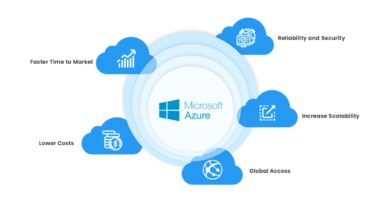
Organizations choose MS Azure for a variety of strategic reasons. From cost efficiency to advanced AI capabilities, the platform offers tangible benefits that drive digital transformation.
Cost Efficiency and Pay-as-You-Go Model
MS Azure operates on a pay-as-you-go pricing model, meaning businesses only pay for the resources they consume. This eliminates the need for large upfront investments in hardware and allows for flexible budgeting. Azure also offers reserved instances and hybrid benefits that can reduce costs by up to 80% compared to on-premises solutions.
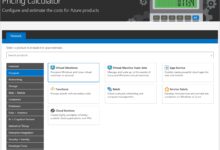
Tools like the Azure Pricing Calculator help organizations estimate costs before deployment, while Azure Cost Management provides real-time insights into spending patterns, helping teams optimize resource usage.
Seamless Integration with Microsoft Ecosystem
For enterprises already using Microsoft products like Windows Server, SQL Server, Office 365, or Dynamics 365, MS Azure offers unparalleled integration. This synergy reduces migration complexity and enhances productivity. For example, Azure Active Directory (Azure AD) integrates seamlessly with on-premises Active Directory, enabling single sign-on (SSO) across cloud and local environments.
Additionally, developers can use Visual Studio and GitHub (acquired by Microsoft) to build and deploy applications directly to Azure, streamlining the DevOps pipeline. This tight integration is a key reason why many Fortune 500 companies prefer MS Azure over competitors.
Enterprise-Grade Security and Compliance
Security is a top priority for MS Azure. The platform offers built-in protections such as DDoS mitigation, encryption at rest and in transit, and advanced threat detection through Microsoft Defender for Cloud. Azure also complies with over 100 international and industry-specific standards, including GDPR, HIPAA, ISO 27001, and SOC 1/2/3.
Organizations in regulated industries—such as finance, healthcare, and government—can leverage Azure’s compliance certifications to meet legal requirements without additional overhead. Microsoft invests over $1 billion annually in cybersecurity research and development, ensuring that MS Azure remains at the cutting edge of threat prevention.
MS Azure vs. AWS vs. Google Cloud: A Comparative Analysis
While AWS dominates the cloud market with a 32% share, MS Azure holds a strong second place with around 23%, followed by Google Cloud at 10%. Each platform has its strengths, but MS Azure excels in specific areas that make it the preferred choice for many enterprises.
Market Position and Adoption Trends
According to Synergy Research Group, MS Azure has been growing at a faster rate than AWS in recent years, particularly in hybrid cloud deployments. This growth is fueled by Microsoft’s strong relationships with enterprise clients and its aggressive cloud-first strategy under CEO Satya Nadella.
Azure’s hybrid capabilities—especially through Azure Stack—allow businesses to run cloud services on-premises, which is critical for industries with strict data sovereignty laws. This flexibility gives Azure a competitive edge over AWS and Google Cloud, which are more focused on public cloud offerings.
Service Offerings and Innovation
While AWS offers the broadest range of services, MS Azure leads in integration with enterprise software and hybrid environments. Azure also has a strong focus on AI and machine learning, with tools like Azure Cognitive Services and Azure OpenAI Service (which provides access to models like GPT-4).
Google Cloud, on the other hand, excels in data analytics and machine learning with products like BigQuery and TensorFlow. However, MS Azure’s combination of AI, IoT, and enterprise integration makes it a more balanced choice for organizations looking for a full-stack cloud solution.
Customer Support and Enterprise Relationships
Microsoft’s long-standing relationships with enterprise clients give MS Azure a significant advantage in customer support and account management. Unlike AWS, which often relies on third-party partners for enterprise support, Microsoft offers direct, personalized support through its Premier Support program.
This level of service is particularly valuable for large organizations undergoing digital transformation. Microsoft also provides extensive training and certification programs through Microsoft Learn, helping IT teams build the skills needed to manage Azure environments effectively.
Core Services Offered by MS Azure
MS Azure’s service portfolio is vast and constantly evolving. Below are some of the most widely used and impactful services that define the platform’s capabilities.
Azure Virtual Machines (VMs)
Azure Virtual Machines allow users to run Windows or Linux virtual machines in the cloud with full control over configuration, networking, and storage. VMs are ideal for workloads that require consistent performance, such as enterprise applications, databases, and development environments.
With Azure VMs, businesses can scale up or down based on demand, use spot instances for cost savings, and leverage availability sets for high availability. The service integrates with Azure Backup and Site Recovery for disaster recovery planning.
Azure Blob Storage and Data Lake
Azure Blob Storage is Microsoft’s object storage solution for unstructured data like images, videos, logs, and backups. It’s highly durable, scalable, and cost-effective, making it ideal for cloud-native applications.
For big data analytics, Azure Data Lake Storage provides a secure, scalable repository that supports massive data ingestion and processing. It integrates seamlessly with Azure Synapse Analytics and HDInsight, enabling advanced analytics and machine learning workflows.
Azure Kubernetes Service (AKS)
As containerization becomes the standard for modern application development, Azure Kubernetes Service (AKS) plays a crucial role in managing containerized workloads. AKS simplifies the deployment, scaling, and management of Kubernetes clusters, allowing developers to focus on code rather than infrastructure.
AKS integrates with Azure Monitor, Azure DevOps, and GitHub Actions, enabling end-to-end CI/CD pipelines. It also supports hybrid deployments through Azure Arc, extending Kubernetes management to on-premises and multi-cloud environments.
Hybrid Cloud and On-Premises Integration with MS Azure
One of MS Azure’s most powerful differentiators is its support for hybrid cloud architectures. Unlike competitors that focus primarily on public cloud, Azure enables seamless integration between cloud and on-premises environments.
Azure Stack: Bringing the Cloud On-Premises
Azure Stack is a family of products that extends Azure services to on-premises data centers. Azure Stack Hub allows organizations to run Azure services locally, while Azure Stack Edge provides edge computing capabilities with built-in AI processing.
This is particularly valuable for industries like manufacturing, healthcare, and defense, where data must remain on-site due to regulatory or latency requirements. Azure Stack ensures consistency in APIs, tooling, and management, reducing the complexity of hybrid deployments.
Azure Arc: Unified Management Across Environments
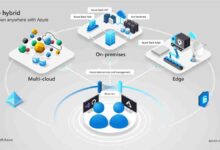
Azure Arc is a game-changing service that enables organizations to manage servers, Kubernetes clusters, and data services across on-premises, multi-cloud, and edge environments from a single control plane in the Azure portal.
With Azure Arc, IT teams can apply policies, monitor performance, and deploy updates consistently across all environments. This unified management approach reduces operational overhead and improves security posture, making it easier to govern complex, distributed infrastructures.
Disaster Recovery and Backup Solutions
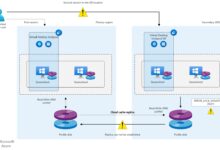
MS Azure offers robust disaster recovery and backup solutions through Azure Site Recovery and Azure Backup. These services ensure business continuity by replicating on-premises virtual machines and physical servers to Azure, enabling rapid failover during outages.
Azure Backup supports a wide range of workloads, including SQL Server, SharePoint, and Exchange, and offers long-term retention options. The integration with Azure Monitor provides real-time alerts and reporting, helping organizations meet SLAs and compliance requirements.
AI, Machine Learning, and IoT Capabilities in MS Azure
MS Azure is not just a cloud platform—it’s a hub for innovation in artificial intelligence, machine learning, and the Internet of Things (IoT). These capabilities are transforming how businesses operate and deliver value.
Azure Cognitive Services and AI Models
Azure Cognitive Services provide pre-built AI models for vision, speech, language, and decision-making. Developers can integrate features like facial recognition, text-to-speech, sentiment analysis, and anomaly detection into applications without deep AI expertise.
For example, a retail company can use Computer Vision to analyze customer behavior in stores, while a call center can leverage Speech Services to transcribe and analyze customer calls in real time. These services are accessible via simple APIs, accelerating time-to-market for AI-powered solutions.
Azure Machine Learning Studio
Azure Machine Learning is a cloud-based environment for building, training, and deploying machine learning models. It supports both code-first (Python, R) and no-code (drag-and-drop) approaches, making it accessible to data scientists and business analysts alike.
The platform includes automated ML (AutoML), which helps users build high-performing models with minimal effort. It also integrates with MLOps practices, enabling version control, model monitoring, and continuous deployment—critical for enterprise-grade AI operations.
Azure IoT Hub and Edge Computing
Azure IoT Hub is a managed service that connects, monitors, and manages billions of IoT devices. It supports secure communication, device provisioning, and telemetry ingestion, making it ideal for smart factories, connected vehicles, and smart cities.
When combined with Azure IoT Edge, organizations can run AI models and data processing directly on devices at the edge, reducing latency and bandwidth usage. For instance, a wind turbine can use edge AI to detect mechanical failures in real time and send only critical alerts to the cloud.
Getting Started with MS Azure: A Practical Guide
Whether you’re a developer, IT administrator, or business leader, getting started with MS Azure is easier than ever. Microsoft provides a wealth of resources to help users onboard and succeed.
Creating an Azure Account and Free Tier
New users can sign up for a free Azure account, which includes $200 in credits valid for 30 days and access to over 55 free services for 12 months. This allows organizations to experiment with core services like VMs, Blob Storage, and App Services without financial risk.
The signup process is straightforward: visit Azure Free Account, provide basic information, and verify your identity. Once registered, you can explore the Azure portal, a web-based interface for managing all Azure resources.
Navigating the Azure Portal and CLI
The Azure portal offers a user-friendly dashboard for creating and managing resources. It includes built-in templates, monitoring tools, and role-based access control (RBAC) to streamline administration.
For automation and scripting, the Azure Command-Line Interface (CLI) and PowerShell modules allow users to manage resources programmatically. These tools are essential for DevOps teams implementing infrastructure-as-code (IaC) using tools like Terraform and Azure Resource Manager (ARM) templates.
Training, Certification, and Community Support
Microsoft offers a comprehensive learning path through Microsoft Learn, with free modules on Azure fundamentals, security, AI, and more. Users can earn certifications like Azure Administrator Associate, Azure Developer Associate, and Azure Solutions Architect Expert to validate their skills.
The Azure community is also active on forums, GitHub, and events like Microsoft Ignite, providing peer support and best practices. This ecosystem of learning and collaboration makes it easier for teams to adopt and master MS Azure.
What is MS Azure used for?
MS Azure is used for a wide range of purposes, including hosting virtual machines, storing data, running web applications, deploying AI models, managing IoT devices, and enabling hybrid cloud environments. It’s suitable for businesses of all sizes, from startups to large enterprises.
How does MS Azure compare to AWS?
While AWS has more services and market share, MS Azure excels in hybrid cloud integration, enterprise support, and seamless compatibility with Microsoft products. Azure is often preferred by organizations already invested in the Microsoft ecosystem.
Is MS Azure secure?
Yes, MS Azure is highly secure, offering encryption, identity management, threat detection, and compliance with global standards. Microsoft invests heavily in cybersecurity and operates one of the most secure cloud infrastructures in the world.
Can I use MS Azure for free?
Yes, MS Azure offers a free tier with $200 in credits for 30 days and access to over 55 free services for 12 months. This allows users to explore the platform without upfront costs.
What industries benefit most from MS Azure?
Industries such as finance, healthcare, government, manufacturing, and education benefit significantly from MS Azure due to its compliance, security, hybrid capabilities, and AI integration.
In conclusion, MS Azure is more than just a cloud platform—it’s a powerful engine for digital transformation. With its global infrastructure, enterprise-grade security, seamless Microsoft integration, and cutting-edge AI capabilities, MS Azure empowers organizations to innovate, scale, and compete in the modern digital economy. Whether you’re migrating legacy systems, building cloud-native apps, or deploying AI at scale, MS Azure provides the tools and support needed to succeed.
Further Reading: