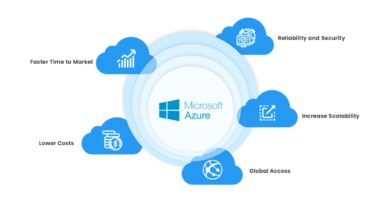
Ever wondered what exactly Azure is and why it’s dominating the cloud world? Let’s break down Microsoft Azure in simple terms—what it is, how it works, and why millions of businesses rely on it.



Azure What Is: The Ultimate Cloud Platform Explained

When people ask, ‘Azure what is?’, they’re often looking for a clear, no-jargon explanation of Microsoft’s cloud computing service. In essence, Azure is a comprehensive cloud platform developed by Microsoft that offers over 200 services, including computing, storage, networking, databases, AI, and analytics—all delivered over the internet. It allows organizations to build, deploy, and manage applications across a global network of data centers.
Unlike traditional on-premises IT infrastructure, Azure eliminates the need for companies to buy and maintain physical servers. Instead, businesses can rent computing power, storage, and services on-demand, scaling up or down based on their needs. This flexibility is one of the main reasons why Azure has become a top choice for enterprises, startups, and government agencies alike.
According to Microsoft, Azure powers more than 95% of Fortune 500 companies, making it one of the most trusted cloud platforms in the world. Whether you’re running a small web app or managing a global enterprise infrastructure, Azure provides the tools and scalability to support your goals.
Core Components of Azure
Azure isn’t just one service—it’s an ecosystem. At its core, Azure is built on three fundamental pillars: Infrastructure as a Service (IaaS), Platform as a Service (PaaS), and Software as a Service (SaaS). These models define how much control users have over their environments and how much management is handled by Microsoft.
- IaaS (Infrastructure as a Service): Gives users full control over virtual machines, networks, and storage. You manage the OS and applications, while Microsoft handles the physical hardware.
- PaaS (Platform as a Service): Ideal for developers. You deploy apps without worrying about the underlying infrastructure. Azure App Services and Azure Functions are popular PaaS offerings.
- SaaS (Software as a Service): Ready-to-use software like Microsoft 365 or Dynamics 365, hosted and managed entirely by Microsoft.
Understanding these models helps answer the question: azure what is in practical terms? It’s a flexible, scalable, and secure way to access IT resources without the overhead of physical infrastructure.
How Azure Compares to AWS and Google Cloud
When discussing azure what is, it’s natural to compare it with other major cloud providers like Amazon Web Services (AWS) and Google Cloud Platform (GCP). While all three offer similar services, Azure stands out in several key areas.
azure what is – Azure what is menjadi aspek penting yang dibahas di sini.
AWS was first to market and still leads in market share, but Azure has rapidly closed the gap thanks to its deep integration with Microsoft products like Windows Server, Active Directory, and Office 365. For organizations already using Microsoft technologies, migrating to Azure is often smoother and more cost-effective.
Google Cloud excels in data analytics and machine learning, but Azure offers a broader enterprise footprint, especially in hybrid cloud scenarios. Azure Arc, for example, allows businesses to manage on-premises, multi-cloud, and edge environments from a single control plane—a feature not fully matched by competitors.
According to Gartner’s 2023 Magic Quadrant for Cloud Infrastructure, Azure is a leader in vision and execution, particularly praised for its hybrid capabilities and enterprise support.
“Azure is not just a cloud provider; it’s a strategic partner for digital transformation.” — Satya Nadella, CEO of Microsoft
Azure What Is Behind the Scenes: Global Infrastructure
To truly understand azure what is, you need to look at its physical and architectural backbone. Azure operates in over 60 regions worldwide, making it one of the most geographically distributed cloud platforms. These regions are clusters of data centers connected by high-speed networks, ensuring low latency and high availability.
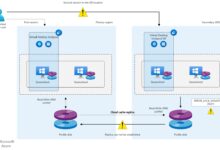
Each Azure region is designed with redundancy in mind. For example, if a data center goes down due to a power outage or natural disaster, traffic is automatically rerouted to another facility in the same region. This built-in fault tolerance is critical for businesses that require 99.9% uptime.
Azure also offers Availability Zones—physically separate data centers within a region. These zones protect against data center failures and are essential for mission-critical applications. Services like Azure Virtual Machines and Azure SQL Database can be configured to run across multiple zones for maximum resilience.
Data Centers and Sustainability
Microsoft is committed to sustainability, and Azure’s data centers reflect this. The company has pledged to be carbon negative by 2030 and to remove all historical carbon emissions by 2050. Azure data centers use renewable energy, advanced cooling systems, and AI-driven efficiency tools to minimize environmental impact.
azure what is – Azure what is menjadi aspek penting yang dibahas di sini.
For example, some Azure facilities are built underground or underwater (like Project Natick) to leverage natural cooling and reduce energy consumption. These innovations not only lower costs but also align with corporate social responsibility goals—another reason why enterprises choose Azure.
Edge Computing and Azure IoT
As more devices connect to the internet, the need for real-time processing at the edge of the network grows. Azure addresses this with Azure IoT Hub and Azure Edge Zones, which bring cloud capabilities closer to where data is generated—factories, retail stores, or remote sensors.
For instance, a manufacturing plant can use Azure IoT Edge to analyze sensor data locally, detect equipment failures in real time, and trigger maintenance alerts—without sending all data to a central cloud. This reduces latency, saves bandwidth, and improves operational efficiency.
This edge-to-cloud integration is a key differentiator in understanding azure what is beyond just virtual machines and storage. It’s a full-stack solution for the modern digital world.
Azure What Is Used For: Real-World Applications
Now that we’ve covered the basics, let’s explore what Azure is actually used for in real-world scenarios. From startups to Fortune 500 companies, Azure powers a wide range of applications across industries.
One of the most common uses is web and mobile app hosting. Developers use Azure App Service to deploy websites and APIs without managing servers. It supports multiple programming languages, integrates with DevOps tools, and automatically scales during traffic spikes—perfect for e-commerce sites during holiday sales.
Another major use case is data analytics and business intelligence. Companies use Azure Synapse Analytics to process massive datasets and generate insights. For example, a retail chain might analyze customer purchase patterns across thousands of stores to optimize inventory and marketing campaigns.
azure what is – Azure what is menjadi aspek penting yang dibahas di sini.
AI and Machine Learning with Azure
Azure is a leader in democratizing artificial intelligence. With services like Azure Machine Learning and Cognitive Services, even non-experts can build intelligent applications.
For instance, a healthcare provider can use Azure’s AI to analyze medical images and detect anomalies faster than human radiologists. A customer service team can deploy Azure Bot Service to create chatbots that handle routine inquiries, freeing up agents for complex issues.
Microsoft also offers pre-built AI models for vision, speech, language, and decision-making. These can be customized and integrated into apps with minimal coding. This accessibility makes Azure a go-to platform for organizations looking to innovate with AI.
Hybrid Cloud and Azure Arc
Not all businesses can move everything to the cloud overnight. That’s where Azure Arc comes in. It allows organizations to manage servers, Kubernetes clusters, and data services—whether they’re on-premises, in multi-cloud environments, or at the edge—using Azure’s control plane.
For example, a bank with legacy systems in its data center can use Azure Arc to apply consistent security policies, monitor performance, and deploy updates across all environments from a single dashboard. This hybrid approach reduces complexity and improves governance.
Azure Arc is a powerful answer to the question: azure what is in a hybrid world? It’s a bridge between traditional IT and modern cloud computing.
Azure What Is the Pricing Model?
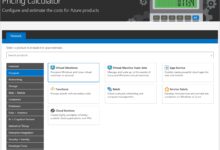
One of the most frequently asked questions when learning about azure what is is: “How much does it cost?” Azure uses a pay-as-you-go pricing model, meaning you only pay for the resources you use—similar to how you pay for electricity or water.
azure what is – Azure what is menjadi aspek penting yang dibahas di sini.
For example, if you run a virtual machine for 10 hours, you’re billed only for those 10 hours. If you store 100 GB of data for a month, you pay based on that usage. This eliminates upfront capital expenses and makes cloud computing accessible to businesses of all sizes.
Azure also offers reserved instances for long-term workloads. By committing to use a resource for one or three years, you can save up to 72% compared to pay-as-you-go rates. This is ideal for stable, predictable workloads like databases or domain controllers.
Free Tier and Azure Credits
Getting started with Azure is risk-free thanks to its free account offering. New users get $200 in credits to spend over 30 days, plus access to over 55 services for free for 12 months (like Azure Functions and Blob Storage).
Additionally, students can get $100 in Azure credits through the GitHub Student Developer Pack. This makes Azure an excellent platform for learning, experimenting, and building personal projects without financial risk.
Cost Management Tools
To avoid bill shock, Azure provides robust cost management tools. The Azure Cost Management + Billing dashboard lets you track spending, set budgets, and receive alerts when usage exceeds thresholds.
You can also use Azure Advisor to get recommendations on optimizing resources—like resizing underutilized virtual machines or deleting unused disks. These tools help ensure you’re getting the most value from your Azure investment.
“With Azure, you’re not just buying technology—you’re investing in innovation.” — Scott Guthrie, Executive Vice President, Microsoft Cloud & AI
Azure What Is Security and Compliance Like?
Security is a top concern for any organization moving to the cloud. When people ask azure what is in terms of security, the answer is comprehensive: Azure offers one of the most secure cloud environments available.
azure what is – Azure what is menjadi aspek penting yang dibahas di sini.
Microsoft invests over $1 billion annually in cybersecurity and employs more than 3,500 security experts. Azure’s security model is built on a shared responsibility framework: Microsoft secures the infrastructure, while customers secure their data, applications, and access controls.
Azure provides a suite of security services, including Azure Security Center (now part of Microsoft Defender for Cloud), which continuously monitors your environment for threats and provides actionable recommendations.
Identity and Access Management
Azure Active Directory (Azure AD) is the backbone of identity management in Azure. It enables single sign-on (SSO), multi-factor authentication (MFA), and conditional access policies.
For example, a company can require employees to use MFA when accessing sensitive data from outside the corporate network. Azure AD also integrates with on-premises Active Directory, making it easier to manage hybrid environments.
This level of control is crucial for preventing unauthorized access and meeting compliance requirements.
Compliance and Certifications
Azure complies with more regulatory standards than any other cloud provider, including GDPR, HIPAA, ISO 27001, SOC 1/2/3, and FedRAMP. This makes it suitable for highly regulated industries like finance, healthcare, and government.
Microsoft provides the Microsoft Compliance Manager, a tool that helps organizations assess their compliance posture and implement necessary controls. This transparency builds trust and simplifies audits.
azure what is – Azure what is menjadi aspek penting yang dibahas di sini.
Azure What Is the Future of Cloud Innovation?
As technology evolves, so does Azure. Understanding azure what is today means also looking at where it’s headed. Microsoft is investing heavily in next-generation technologies like quantum computing, extended reality (XR), and sustainable cloud solutions.
Azure Quantum is an early-access platform that allows researchers and developers to experiment with quantum algorithms and hardware from partners like IonQ and Quantinuum. While still in its infancy, quantum computing has the potential to solve problems that are impossible for classical computers—like simulating complex molecules for drug discovery.
Another emerging area is Azure Digital Twins, which creates virtual models of physical environments—factories, cities, or buildings. These digital replicas can be used to simulate scenarios, optimize operations, and predict maintenance needs.
For example, a city planner could use Azure Digital Twins to model traffic flow and test the impact of new infrastructure projects before breaking ground.
AI Integration Across Services
Microsoft is embedding AI into every layer of Azure. From Azure OpenAI Service, which provides access to models like GPT-4, to Azure AI Vision for image analysis, AI is becoming a core capability rather than a separate service.
Developers can now add natural language processing, speech recognition, and predictive analytics to their apps with just a few lines of code. This lowers the barrier to entry and accelerates innovation across industries.
Sustainability and Green Cloud Initiatives
As climate concerns grow, Azure is leading the charge in green cloud computing. Beyond carbon neutrality, Microsoft is exploring ways to make data centers regenerative—producing more energy than they consume.
azure what is – Azure what is menjadi aspek penting yang dibahas di sini.
Initiatives like AI for Earth use Azure’s computing power to support environmental research, from tracking deforestation to predicting climate patterns. These efforts show that azure what is extends beyond technology—it’s also about responsibility and impact.
Azure What Is: Getting Started Guide
If you’re ready to dive into Azure, here’s a step-by-step guide to get you started. Whether you’re a developer, IT admin, or business leader, these steps will help you make the most of the platform.
Create an Azure Account
Visit azure.microsoft.com/free and sign up for a free account. You’ll need a Microsoft account (like Outlook.com) and a credit card for verification (though you won’t be charged unless you upgrade).
Once registered, you’ll gain access to the Azure portal—a web-based interface where you can manage all your resources.
Explore the Azure Portal
The Azure portal is your command center. From here, you can:
- Create virtual machines
- Deploy web apps
- Set up databases
- Monitor performance and costs
Take time to explore the dashboard, navigate the menu, and familiarize yourself with the layout. Microsoft offers interactive tours and guided experiences to help new users.
Deploy Your First Resource
Try creating a simple resource, like a Windows Virtual Machine or a static website using Azure Storage. The portal provides step-by-step wizards that walk you through configuration options.
azure what is – Azure what is menjadi aspek penting yang dibahas di sini.
After deployment, test the resource, then remember to shut it down or delete it to avoid unnecessary charges—especially important when using free credits.
You can also use Azure CLI or PowerShell for scripting and automation, which is essential for managing large-scale environments.
What is Azure used for?
Azure is used for a wide range of applications, including hosting websites and mobile apps, running virtual machines, storing data, performing AI and machine learning, analyzing big data, and managing hybrid cloud environments. It’s also widely used for enterprise IT, DevOps, and Internet of Things (IoT) solutions.
Is Azure free to use?
Azure offers a free tier with $200 in credits for new users and access to over 55 services for free for 12 months. While not entirely free, this allows users to explore and experiment without upfront costs. Pay-as-you-go pricing applies after the free period or for services not included in the free tier.
How does Azure compare to AWS?
azure what is – Azure what is menjadi aspek penting yang dibahas di sini.
Azure and AWS are both leading cloud platforms, but Azure excels in hybrid cloud integration, enterprise support, and Microsoft product compatibility. AWS has a larger service catalog and first-mover advantage, but Azure is catching up fast, especially in AI, security, and global infrastructure.
Do I need coding skills to use Azure?
No, you don’t need coding skills to use Azure. Many services, like virtual machines and storage, can be managed through the Azure portal with a graphical interface. However, for automation, DevOps, and advanced configurations, knowledge of scripting (PowerShell, CLI) or programming (Python, C#) is beneficial.
What industries use Azure the most?
Azure is widely used in industries such as finance, healthcare, government, retail, manufacturing, and education. Its strong compliance certifications and hybrid capabilities make it ideal for regulated and large-scale enterprises.
Understanding azure what is reveals more than just a cloud platform—it’s a complete ecosystem for innovation, security, and scalability. From startups to global corporations, Azure empowers organizations to build, deploy, and manage applications with unmatched flexibility. Whether you’re exploring AI, securing data, or optimizing costs, Azure provides the tools and infrastructure to succeed in the digital age. With continuous innovation and a commitment to sustainability, Azure isn’t just keeping up with the future—it’s helping to shape it.
Further Reading: