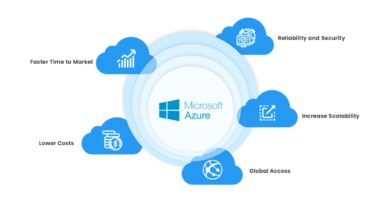
Ever wondered what makes Azure Standard a game-changer in cloud computing? It’s not just about storage or servers—it’s about scalable, secure, and smart infrastructure that powers modern businesses. Let’s dive into the essentials.



What Is Azure Standard and Why It Matters

The term azure standard often refers to Microsoft Azure’s foundational service tier—offering a balanced mix of performance, cost, and reliability for cloud workloads. Unlike premium tiers, Azure Standard is designed for businesses that need dependable cloud resources without overpaying for advanced features they don’t yet require.
Defining Azure Standard Services
Azure Standard encompasses a range of compute, storage, and networking services offered under Microsoft’s pay-as-you-go model. These include virtual machines (VMs), blob storage, managed disks, and load balancers—all available in a cost-optimized configuration suitable for production environments with moderate demands.
- Standard-tier VMs (e.g., B, D, E series)
- Standard Blob and Disk Storage
- Standard Load Balancer and Public IP
These services are ideal for web applications, development environments, and small-to-medium databases. They provide high availability and integration with Azure’s global network, making them a go-to for startups and enterprises alike.
How Azure Standard Differs from Premium Tiers
While Azure offers premium options with higher performance (like Premium SSDs or GPU-optimized VMs), the azure standard tier focuses on affordability and accessibility. For example, Standard SSDs are perfect for general-purpose workloads, whereas Premium SSDs cater to I/O-intensive applications like large-scale databases.
“Azure Standard is the sweet spot between cost and capability for most cloud deployments.” — Microsoft Azure Documentation
The key differentiators include latency, throughput, and redundancy levels. Premium services often guarantee higher SLAs and lower latency, while Standard services offer robust performance at a fraction of the cost.
Core Components of Azure Standard Infrastructure
Understanding the building blocks of azure standard services is crucial for effective cloud architecture. These components form the backbone of most Azure deployments and are essential for scalability, security, and performance.
Standard Virtual Machines (VMs)
Azure Standard VMs are among the most widely used resources. They come in various sizes and families, each tailored to specific workloads. The B-series offers burstable performance ideal for dev/test environments, while the D-series provides balanced CPU-to-memory ratios for general applications.
- B-series: Burstable, cost-effective for variable workloads
- D-series: General-purpose, ideal for apps and small databases
- E-series: Memory-optimized for enterprise apps
These VMs run on shared or dedicated hardware and support Windows and Linux OS. You can scale them up or out based on demand, integrating seamlessly with Azure AutoScale and monitoring tools.
Standard Storage Accounts
Storage is a cornerstone of any cloud strategy. Azure Standard storage includes Blob, File, Queue, and Table storage, all accessible via REST APIs. Standard storage uses HDD-based media, making it cost-efficient for infrequent access or backup scenarios.
For example, Standard Blob Storage is perfect for storing images, logs, or backups. It supports both hot and cool access tiers, allowing you to optimize costs based on data retrieval frequency. Learn more about storage options at Microsoft Azure Storage Documentation.
“Standard storage delivers 99.9% availability and is backed by Azure’s global redundancy options.”
Cost Efficiency of Azure Standard Services
One of the biggest advantages of azure standard is its cost-effectiveness. For businesses managing budgets, choosing the right service tier can mean thousands in savings annually.
Pricing Models and Cost Management
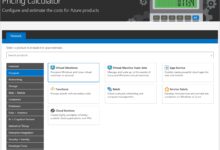
Azure uses a pay-as-you-go model, but with multiple ways to reduce costs. Standard services are billed per hour (for VMs) or per gigabyte (for storage). You can further optimize costs using Reserved Instances, which offer up to 72% discount over pay-as-you-go pricing.
- Pay-as-you-go: No commitment, flexible billing
- Reserved Instances: 1- or 3-year terms for significant savings
- Spot VMs: Use unused capacity at up to 90% off (ideal for fault-tolerant workloads)
Azure Cost Management + Billing provides dashboards and alerts to track spending, helping teams avoid budget overruns.
Comparing Standard vs. Premium Costs
Let’s take a real-world example: a D4s v3 VM (Standard) vs. a D4s v3 (Premium). The Standard version might cost $0.192/hour, while the Premium version could be $0.256/hour—a 33% increase. For a single VM running 24/7, that’s over $500 extra per year.
Similarly, Standard SSD storage is priced at $0.06/GB/month, while Premium SSDs cost $0.12/GB/month. The difference becomes massive at scale. For a 10TB database, that’s $600 vs. $1,200 monthly—$7,200 in annual savings.
“Smart cost management starts with choosing the right tier—Standard is often the best fit.”
Performance and Reliability of Azure Standard
Despite being cost-optimized, azure standard services deliver impressive performance and reliability. Microsoft ensures these services meet enterprise-grade standards for uptime and data durability.
SLA and Uptime Guarantees
Azure offers a 99.9% Service Level Agreement (SLA) for most Standard VMs when deployed in an Availability Set or across multiple zones. This means less than 43.2 minutes of downtime per month—critical for business continuity.
For storage, Standard accounts guarantee 99.9% availability and 99.999999999% (11 nines) durability for data. This means your files are protected against hardware failures, with automatic replication across multiple data centers.
Latency and Throughput Benchmarks
While Standard VMs don’t match the raw speed of Premium instances, they perform exceptionally well for typical applications. A D4s v3 VM offers 16 GB RAM, 4 vCPUs, and up to 12,000 IOPS on Standard SSDs—more than enough for most web servers and backend services.
Network throughput is also robust, with up to 1 Gbps for most Standard VMs. This supports smooth data transfer, API calls, and user traffic without bottlenecks.
“Performance doesn’t have to mean premium pricing—Azure Standard proves that.”
Security and Compliance in Azure Standard
Security is non-negotiable in the cloud. Even though azure standard is cost-effective, it doesn’t compromise on protection. Microsoft integrates enterprise-grade security across all service tiers.
Built-in Security Features
Azure Standard services come with foundational security controls. These include network security groups (NSGs), Azure Firewall, DDoS protection, and role-based access control (RBAC). You can restrict traffic, monitor threats, and manage user permissions directly from the Azure portal.
- NSGs: Filter inbound/outbound traffic at subnet or VM level
- RBAC: Assign granular permissions (e.g., Reader, Contributor)
- DDoS Protection Standard: Mitigates large-scale attacks (available in higher tiers but basic protection is included)
Additionally, Azure Security Center (now Microsoft Defender for Cloud) provides continuous monitoring and threat detection for Standard resources.
Compliance and Certifications
Microsoft Azure complies with over 100 global and industry-specific standards, including GDPR, HIPAA, ISO 27001, and SOC 1/2/3. These certifications apply to azure standard services as well, ensuring your data meets regulatory requirements.
For example, if you’re handling healthcare data, Azure’s HIPAA compliance allows you to use Standard VMs and storage while remaining compliant. Learn more at Azure Compliance Documentation.
“Compliance isn’t a premium feature—it’s built into every Azure service tier.”
Use Cases and Real-World Applications
The versatility of azure standard makes it suitable for a wide range of applications. From startups to large enterprises, organizations leverage these services for critical workloads.
Web Hosting and SaaS Platforms
Many SaaS companies use Azure Standard VMs to host their applications. A typical setup includes a D-series VM running a web server (like IIS or Apache), connected to Standard Blob Storage for media files and a Standard-tier SQL Database.
This configuration is cost-effective, scalable, and integrates with Azure CDN for faster content delivery. For example, a mid-sized e-commerce site can run entirely on Standard services with minimal latency and high availability.
Development and Testing Environments
Dev/test environments benefit greatly from azure standard due to their temporary nature. Teams can spin up B-series VMs for testing, use Standard storage for code repositories, and tear them down after use—avoiding unnecessary costs.
Azure DevOps integrates seamlessly, allowing CI/CD pipelines to deploy to Standard environments automatically. This accelerates development cycles without inflating budgets.
“Azure Standard is the backbone of agile development in the cloud.”
Migration Strategies to Azure Standard
Moving to the cloud? azure standard is often the first stop for organizations transitioning from on-premises infrastructure. A well-planned migration ensures minimal downtime and optimal performance.
Assessment and Planning Tools
Microsoft offers tools like Azure Migrate to assess your current environment. It analyzes on-premises servers, estimates costs, and recommends the right Azure VM size—often pointing to Standard tiers as the best fit.
- Azure Migrate: Discover, assess, and migrate servers
- Database Migration Service: Move SQL, MySQL, PostgreSQL to Azure
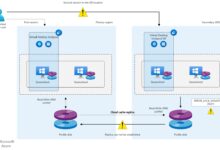
- Site Recovery: Enable disaster recovery and failover
These tools provide detailed reports on performance, compatibility, and cost, helping you make informed decisions.
Step-by-Step Migration Process
A typical migration involves:
- Discovery: Scan on-premises infrastructure
- Assessment: Get recommendations for Azure resources
- Replication: Copy data to Azure using Site Recovery
- Cutover: Switch traffic to Azure with minimal downtime
- Optimization: Tune performance and costs post-migration
Many companies start with Standard VMs and upgrade later if needed. This phased approach reduces risk and allows for gradual cloud adoption.
“Start standard, scale smart—Azure makes migration painless.”
Future Trends and Evolution of Azure Standard
The cloud landscape is evolving fast, and azure standard is no exception. Microsoft continuously enhances these services to meet growing demands for efficiency, security, and integration.
Integration with AI and Automation
Future versions of Azure Standard will likely include deeper integration with AI-driven tools. For example, Azure AutoScale already uses predictive analytics to adjust capacity, but upcoming features may leverage machine learning to optimize costs and performance in real time.
Additionally, Azure Arc enables hybrid management of Standard resources across on-premises, edge, and multi-cloud environments—making Standard services more flexible than ever.
Sustainability and Green Cloud Initiatives
Microsoft is committed to sustainability, aiming for carbon-negative operations by 2030. azure standard services run on energy-efficient data centers powered by renewable energy. Choosing Standard over over-provisioned premium tiers also reduces energy waste.
Azure’s Sustainability Calculator helps estimate the carbon footprint of your cloud usage, encouraging greener choices. Learn more at Azure Sustainability Documentation.
“The future of cloud isn’t just powerful—it’s sustainable.”
What is Azure Standard used for?
Azure Standard is used for hosting web applications, development and testing environments, databases, and general-purpose cloud workloads. It offers a balance of performance and cost, making it ideal for businesses that need reliable infrastructure without premium pricing.
Is Azure Standard secure?
Yes, Azure Standard includes robust security features like network security groups, role-based access control, DDoS protection, and compliance with global standards such as GDPR and HIPAA. Security is built-in, not an add-on.
How much does Azure Standard cost?
Costs vary based on service type and usage. For example, a D2s v3 VM costs around $0.096/hour, and Standard SSD storage is $0.06/GB/month. You can reduce costs with Reserved Instances or Spot VMs.
Can I upgrade from Azure Standard to Premium?
Yes, you can easily upgrade VMs, storage, or databases from Standard to Premium tiers directly in the Azure portal. This allows you to scale performance as your needs grow.
Does Azure Standard support high availability?
Yes, when deployed in Availability Zones or Sets, Azure Standard VMs offer a 99.9% SLA. Standard storage also provides geo-redundant options for data durability and failover.
In conclusion, azure standard is more than just a budget option—it’s a strategic choice for businesses seeking reliable, secure, and scalable cloud infrastructure. From cost savings to compliance and future-ready features, it delivers exceptional value. Whether you’re migrating, building a new app, or optimizing your cloud spend, Azure Standard is a powerful foundation worth considering.
Further Reading: