Managing cloud expenses doesn’t have to be a guessing game. With the right tools, especially the Azure Price Cal, you can predict, optimize, and control your Microsoft Azure spending like a pro. Let’s dive into how this powerful tool transforms cost management.

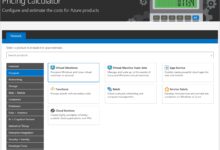

What Is Azure Price Cal and Why It Matters

The term Azure Price Cal might not refer to an official Microsoft product name, but it’s widely used by users searching for Azure pricing calculators, cost estimation tools, and budgeting solutions. In essence, it represents the ecosystem of tools and strategies used to calculate, forecast, and manage costs on Microsoft Azure. Understanding this concept is crucial for businesses aiming to avoid unexpected bills and maximize ROI.
Decoding the Term: Azure Price Cal
While Microsoft doesn’t brand any tool as “Azure Price Cal,” the phrase is a colloquial shorthand for the Azure Pricing Calculator, Total Cost of Ownership (TCO) Calculator, and Cost Management + Billing dashboard. These tools collectively allow users to estimate costs before deployment, compare scenarios, and monitor spending in real time.
- “Azure Price Cal” is a user-generated term, not an official product name.
- It encompasses cost estimation, forecasting, and optimization tools.
- The goal is transparency and predictability in cloud spending.
“The cloud should empower innovation, not bankrupt it. Tools like the Azure Price Cal ensure financial control goes hand-in-hand with scalability.” — Cloud Financial Analyst, Gartner
Core Components of Azure’s Pricing Tools
The ecosystem behind the so-called Azure Price Cal includes several integrated tools. Each serves a unique function in the cost management lifecycle:
- Azure Pricing Calculator: Allows users to build a virtual environment and estimate monthly costs.
- Azure TCO Calculator: Compares on-premises infrastructure costs with Azure cloud migration.
- Azure Cost Management + Billing: Provides real-time tracking, budget alerts, and cost analysis.
- Azure Advisor: Offers cost-saving recommendations based on usage patterns.
Together, these tools form what many professionals refer to as the azure price cal suite—essential for any organization serious about cloud financial operations (FinOps).
How to Use the Azure Pricing Calculator Effectively
The Azure Pricing Calculator is the cornerstone of what people mean by azure price cal. It’s a free, web-based tool that lets you simulate your Azure environment and get instant cost estimates. Whether you’re planning a migration, launching a new app, or scaling existing services, this tool is indispensable.
Step-by-Step Guide to Building a Cost Estimate
Using the Azure Pricing Calculator is straightforward, but maximizing its potential requires attention to detail:
- Visit the official Azure Pricing Calculator.
- Sign in with your Microsoft account (optional, but recommended for saving projects).
- Select the services you plan to use—such as Virtual Machines, Blob Storage, or Azure Functions.
- Customize configurations (e.g., VM size, region, storage type).
- Adjust usage hours (e.g., 24/7 vs. part-time workloads).
- Apply reserved instance discounts or hybrid benefits if applicable.
- Export the estimate as a PDF or share it with stakeholders.
This process gives you a realistic projection of your monthly Azure bill, helping avoid budget overruns before deployment.
Tips for Accurate Cost Projections
Many users underestimate their cloud costs because they overlook hidden fees or usage spikes. To ensure your azure price cal estimates are accurate:
- Include data transfer costs, which are often forgotten but can add up quickly.
- Factor in redundancy and backup storage—don’t just price the primary system.
- Use realistic usage patterns; not all VMs run 24/7.
- Compare pay-as-you-go vs. reserved instances for long-term savings.
- Regularly update your estimates as your architecture evolves.
“Over 60% of cloud waste comes from inaccurate forecasting. The Azure Price Cal eliminates guesswork.” — Flexera 2023 Cloud Report
Comparing Azure Price Cal with Other Cloud Pricing Tools
While Azure’s pricing tools are robust, it’s important to understand how they stack up against competitors like AWS Pricing Calculator and Google Cloud Pricing Calculator. This comparison helps organizations make informed decisions when choosing a cloud provider or managing multi-cloud environments.
Feature Comparison: Azure vs. AWS vs. GCP
All major cloud providers offer pricing calculators, but their usability and depth vary:
| Feature | Azure Pricing Calculator | AWS Pricing Calculator | Google Cloud Pricing Calculator |
|---|---|---|---|
| User Interface | Modern, intuitive, drag-and-drop | Functional but cluttered | Clean, minimalistic |
| Real-Time Collaboration | Yes (via Microsoft account) | No | Limited |
| Integration with Cost Management | Seamless | Moderate | Good |
| Hybrid Licensing Support | Yes (Azure Hybrid Benefit) | Limited | No |
| TCO Calculator | Included | Separate tool | Available |
The azure price cal experience stands out for its integration with Microsoft’s broader ecosystem, especially for enterprises already using Windows Server or SQL Server.
Why Azure’s Ecosystem Offers Better Cost Visibility
One of the biggest advantages of the azure price cal tools is their deep integration with Azure Monitor, Azure Advisor, and Power BI. This allows for:
- Automated cost reports sent to stakeholders.
- Custom dashboards showing cost trends by department or project.
- Predictive analytics for future spending.
- Role-based access to cost data for finance and IT teams.
Unlike AWS, where cost tools are often siloed, Azure provides a unified platform for financial governance—making the azure price cal more than just a calculator.
Leveraging Azure Cost Management + Billing for Real-Time Control
While the Azure Pricing Calculator helps with pre-deployment planning, Azure Cost Management + Billing is where real-time cost control happens. This tool is the operational backbone of the azure price cal strategy, enabling organizations to monitor, analyze, and optimize spending after deployment.
Setting Up Budgets and Alerts
One of the most powerful features of Azure Cost Management is the ability to set custom budgets with automated alerts:
- Define monthly, quarterly, or annual budgets by subscription, resource group, or tag.
- Set threshold alerts (e.g., 80%, 90%, 100% of budget).
- Receive email or SMS notifications when thresholds are exceeded.
- Integrate with Azure Logic Apps to trigger automated responses (e.g., shut down non-critical VMs).
This proactive approach prevents cost overruns and aligns IT spending with business objectives.
Using Tags for Granular Cost Tracking
Tags are metadata labels you can apply to Azure resources (e.g., environment=production, department=marketing). When combined with Cost Management, tags enable:
- Cost allocation by team, project, or application.
- Chargeback or showback models for internal billing.
- Identification of underutilized or orphaned resources.
For example, a finance team can generate a monthly report showing how much each department spent on Azure, thanks to properly tagged resources. This level of detail is a cornerstone of effective azure price cal practices.
“Without tagging, you’re flying blind in the cloud. Tags turn cost data into actionable insights.” — Microsoft Azure MVP
Advanced Strategies: Reserved Instances and Hybrid Benefits
To truly master the azure price cal ecosystem, organizations must go beyond basic cost estimation and explore advanced savings mechanisms like Reserved Instances (RIs) and Azure Hybrid Benefit.
How Reserved Instances Reduce Long-Term Costs
Azure Reserved VM Instances allow you to commit to using specific VMs for one or three years in exchange for significant discounts—up to 72% compared to pay-as-you-go pricing.
- Best for stable, predictable workloads (e.g., databases, domain controllers).
- Can be applied across availability zones or regions.
- Flexible: You can exchange or cancel reservations (with some fees).
- Available for Compute, SQL Database, Cosmos DB, and more.
Using the azure price cal tools, you can model the ROI of reserving instances versus staying on-demand, making data-driven decisions.
Unlocking Savings with Azure Hybrid Benefit
If your organization already owns Windows Server or SQL Server licenses with Software Assurance, you can use Azure Hybrid Benefit to reduce costs by up to 80%.
- Apply existing licenses to Azure VMs instead of paying for new ones.
- Works with both pay-as-you-go and reserved instances.
- Supports Linux workloads if you have Red Hat or SUSE subscriptions.
This is a game-changer for enterprises migrating from on-premises to cloud, and the azure price cal tools help quantify the savings before committing.
Common Mistakes to Avoid When Using Azure Price Cal Tools
Even with powerful tools at your disposal, poor practices can lead to inaccurate estimates and budget overruns. Understanding common pitfalls is key to mastering the azure price cal process.
Overlooking Egress and Network Costs
One of the most frequent mistakes is ignoring data egress fees—charges for transferring data out of Azure. While inbound data is free, outbound transfers (especially to the internet or other regions) can be costly.
- Estimate monthly egress based on user traffic or API calls.
- Use Azure CDN to reduce egress costs for content delivery.
- Consider multi-region architectures carefully—cross-region replication adds cost.
The azure price cal tools include egress pricing, but users often skip this section during estimation.
Failing to Account for Idle or Orphaned Resources
Unused VMs, unattached disks, and abandoned storage accounts continue to incur charges. These “zombie resources” can account for 15–35% of cloud waste.
- Use Azure Advisor to identify underutilized resources.
- Set auto-shutdown schedules for non-production VMs.
- Implement lifecycle policies for Blob Storage.
Regular audits using the azure price cal and Cost Management tools can help eliminate this waste.
Integrating Azure Price Cal with FinOps Practices
The rise of FinOps (Financial Operations) has transformed how organizations manage cloud costs. It’s no longer just an IT concern—it’s a cross-functional discipline involving finance, engineering, and leadership. The azure price cal tools are central to implementing FinOps at scale.
What Is FinOps and How Azure Supports It
FinOps is a cultural and operational framework that brings financial accountability to cloud spending. It emphasizes:
- Visibility: Everyone sees cost data.
- Accountability: Teams own their budgets.
- Optimization: Continuous improvement of cost efficiency.
Azure’s azure price cal tools provide the data layer for FinOps, enabling teams to track, analyze, and act on cost information in real time.
Building a FinOps Workflow with Azure Tools
A successful FinOps implementation using azure price cal might look like this:
- Plan: Use the Azure Pricing Calculator to estimate project costs.
- Deploy: Tag all resources during provisioning.
- Monitor: Set up budgets and alerts in Cost Management.
- Analyze: Run weekly cost reports by team or project.
- Optimize: Apply reserved instances, shut down idle resources.
- Report: Share insights with finance and leadership.
This closed-loop process ensures cloud spending is strategic, not reactive.
“FinOps isn’t a tool—it’s a mindset. But tools like the Azure Price Cal make the mindset actionable.” — finops.org
What is the Azure Price Cal?
The term “Azure Price Cal” refers to the suite of Microsoft Azure tools used for estimating, tracking, and optimizing cloud costs, including the Azure Pricing Calculator, TCO Calculator, and Cost Management + Billing dashboard.
How accurate is the Azure Pricing Calculator?
The Azure Pricing Calculator is highly accurate when used correctly, especially if you include all relevant factors like data transfer, storage, and usage patterns. However, real-world costs may vary slightly due to unexpected usage spikes or service changes.
Can I use Azure Hybrid Benefit in the Azure Price Cal?
Yes, the Azure Pricing Calculator allows you to apply Azure Hybrid Benefit discounts during cost estimation, helping you visualize potential savings when using existing Windows Server or SQL Server licenses.
How do I reduce my Azure bill using the azure price cal tools?
You can reduce your Azure bill by using the azure price cal tools to identify underutilized resources, apply reserved instances, leverage hybrid benefits, set budgets, and implement tagging for cost allocation.
Is the Azure Pricing Calculator free to use?
Yes, the Azure Pricing Calculator is completely free and does not require an Azure account to start building cost estimates.
Mastering the azure price cal ecosystem is no longer optional—it’s a business imperative. From initial cost estimation to ongoing financial governance, these tools empower organizations to harness the full power of Azure without losing control of their budget. By combining the Azure Pricing Calculator, Cost Management, and FinOps practices, you can achieve transparency, accountability, and continuous optimization. The cloud is limitless, but your spending doesn’t have to be.
Recommended for you 👇
Further Reading: