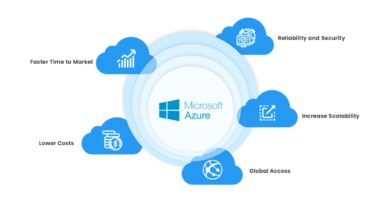
Unlock the full potential of cloud management with the Azure portal—your central hub for controlling Microsoft’s vast cloud ecosystem. Simple, scalable, and packed with powerful tools, it’s time to master this game-changing platform.


What Is the Azure Portal and Why It Matters

The Azure portal is Microsoft’s web-based interface for managing cloud services, resources, and subscriptions within the Azure ecosystem. Think of it as the command center for your entire cloud infrastructure. Whether you’re launching virtual machines, configuring networks, or monitoring application performance, the Azure portal provides a unified, intuitive dashboard to handle it all.
Unlike command-line tools or APIs, the Azure portal offers a visual, point-and-click experience that lowers the barrier to entry for developers, IT professionals, and business decision-makers alike. It’s designed to simplify complex cloud operations while still offering deep customization for advanced users.
Core Purpose of the Azure Portal
At its heart, the Azure portal exists to streamline cloud resource management. It allows users to deploy, configure, monitor, and secure Azure services without needing to write code or memorize complex commands. From creating a simple storage account to orchestrating multi-region deployments, the portal makes it possible with just a few clicks.
- Centralized management of all Azure resources
- Real-time monitoring and diagnostics
- Role-based access control (RBAC) for team collaboration
According to Microsoft’s official documentation, over 90% of Azure administrators use the portal as their primary interface for daily operations. This widespread adoption underscores its reliability and user-centric design.
How It Fits Into the Azure Ecosystem
The Azure portal doesn’t operate in isolation. It integrates seamlessly with other Azure tools like Azure CLI, PowerShell, Azure DevOps, and Azure Monitor. While these tools offer automation and scripting capabilities, the portal serves as the visual anchor that ties everything together.
For example, you might use the Azure portal to set up a virtual network, then switch to Azure CLI to automate deployment scripts. Or you could monitor application logs through Azure Monitor—all accessible directly from the portal interface. This interoperability makes the Azure portal a critical component of any cloud strategy.
“The Azure portal is the front door to your cloud environment—simple enough for beginners, powerful enough for experts.” — Microsoft Azure Documentation
Navigating the Azure Portal Interface Like a Pro
One of the biggest strengths of the Azure portal is its clean, responsive interface. Once you understand its layout, navigating becomes second nature. The design prioritizes usability, ensuring that even complex tasks feel manageable.
The interface is divided into logical sections: the navigation pane, the dashboard, resource blades, and contextual menus. Each plays a specific role in helping you manage your cloud environment efficiently.
Understanding the Left-Hand Navigation Menu
The left-hand navigation menu (also called the Hub menu) is your gateway to all Azure services. It includes categories like ‘Home’, ‘Resource groups’, ‘All services’, and ‘Cost Management + Billing’. By default, frequently used services appear at the top, but you can customize this list for faster access.
- All Services: A comprehensive catalog of every Azure offering, from AI to IoT.
- Resource Groups: Organize your resources by project, department, or environment (dev, test, production).
- Marketplace: Deploy pre-configured solutions like WordPress, Docker containers, or SAP systems with minimal setup.
You can pin commonly used services to the menu for instant access. For instance, if you frequently work with virtual machines, pinning ‘Virtual machines’ to the top saves time and reduces clicks.
Customizing Your Dashboard for Maximum Efficiency
The Azure portal dashboard is fully customizable, allowing you to create a personalized workspace. You can add tiles for specific resources, charts for performance metrics, or quick-access buttons for common actions.
Imagine having a dashboard that shows CPU usage across your VMs, storage costs for the month, and active alerts—all in one view. This level of customization enhances productivity and keeps critical information front and center.
To customize your dashboard, click ‘Edit’ in the top-right corner, then drag and drop tiles from the gallery. You can also share dashboards with team members, ensuring everyone has access to the same operational insights.
Managing Azure Resources Through the Portal
One of the primary functions of the Azure portal is resource management. Whether you’re deploying a new database or scaling an existing web app, the portal provides the tools you need to get the job done efficiently.
Resources in Azure are organized into logical containers called resource groups. This structure makes it easier to manage lifecycle, permissions, and billing for related services.
Creating and Deploying New Resources
Deploying a new resource in the Azure portal is straightforward. Click ‘Create a resource’, search for the service you need (e.g., ‘Virtual Machine’), and follow the guided setup wizard. The portal walks you through configuration options, pricing tiers, and dependencies.
- Select region, size, and operating system for VMs
- Configure networking, storage, and security settings
- Review and deploy with cost estimation
The deployment process is transparent, showing progress in real time. Once complete, the new resource appears in your dashboard or resource group, ready for use.
Organizing Resources with Resource Groups
Resource groups are essential for maintaining order in complex environments. Instead of managing hundreds of individual resources, you can group them by function, team, or lifecycle stage.
For example, you might have a resource group named ‘Marketing-WebApp’ containing a web server, database, and CDN. When it’s time to decommission the campaign, you can delete the entire group with one action—saving time and reducing errors.
Best practices suggest using consistent naming conventions and tagging resources for better tracking. Tags like ‘Environment=Production’ or ‘Department=Finance’ make filtering and reporting much easier.
“Effective resource grouping reduces management overhead by up to 40%.” — Azure Best Practices Guide
Monitoring and Diagnostics in the Azure Portal
Monitoring is critical for maintaining performance, security, and cost efficiency. The Azure portal integrates powerful diagnostic tools that provide real-time visibility into your cloud environment.
From CPU usage to network latency, the portal collects and visualizes key metrics, helping you identify issues before they impact users.
Using Azure Monitor for Real-Time Insights
Azure Monitor is the backbone of observability in the Azure portal. It collects telemetry data from applications, infrastructure, and platforms, then presents it through customizable dashboards and alerts.
- Track application performance with Application Insights
- Monitor VM health with metrics like memory and disk usage
- Set up alert rules based on thresholds (e.g., CPU > 80%)
You can access Azure Monitor directly from any resource blade. For example, open a virtual machine, and you’ll see a ‘Monitoring’ section with charts and logs. This contextual integration makes troubleshooting fast and intuitive.
Setting Up Alerts and Notifications
Proactive monitoring starts with alerts. The Azure portal allows you to configure alerts for almost any metric or event. When a condition is met—like a service outage or budget overrun—you can receive notifications via email, SMS, or webhook.
Alerts can be routed to teams using Azure Action Groups, which define who gets notified and how. For instance, a database performance alert might trigger an email to the DBA team and a Slack message to the devops channel.
This automation ensures rapid response times and minimizes downtime. According to a 2023 Microsoft case study, organizations using Azure alerts reduced incident resolution time by an average of 35%.
Security and Access Management in the Azure Portal
Security is non-negotiable in the cloud. The Azure portal provides robust tools for managing identity, access, and compliance, ensuring your environment stays protected.
From multi-factor authentication to role-based permissions, the portal puts security at your fingertips.
Implementing Role-Based Access Control (RBAC)
RBAC allows you to grant precise permissions to users, groups, or applications. Instead of giving everyone full access, you can assign roles like ‘Reader’, ‘Contributor’, or ‘Owner’ based on job responsibilities.
- Assign ‘Network Contributor’ to team members managing virtual networks
- Grant ‘Storage Blob Data Reader’ for read-only access to storage
- Use custom roles for granular control
These roles can be applied at the subscription, resource group, or individual resource level. This hierarchical model ensures least-privilege access, a cornerstone of zero-trust security.
Integrating Azure Active Directory (AAD)
Azure Active Directory is the identity backbone of the Azure portal. It enables single sign-on (SSO), multi-factor authentication (MFA), and conditional access policies.
When you log into the Azure portal, you’re authenticating through AAD. This integration extends to third-party apps and on-premises systems, creating a unified identity layer across your organization.
For example, you can enforce MFA for all portal logins or block access from untrusted locations. These policies are configured directly in the portal under ‘Azure Active Directory’ settings.
“Over 70% of Azure security breaches stem from misconfigured access controls.” — Microsoft Security Report 2023
Cost Management and Billing Tools in the Azure Portal
Cloud costs can spiral out of control without proper oversight. The Azure portal includes comprehensive cost management tools to help you track, analyze, and optimize spending.
Whether you’re a small startup or a global enterprise, understanding your Azure bill is crucial for financial accountability.
Tracking Usage and Spending with Cost Analysis
The ‘Cost Management + Billing’ section of the Azure portal provides detailed reports on resource consumption. You can view costs by service, region, resource group, or tag.
- Identify underutilized resources (e.g., idle VMs)
- Compare monthly spending trends
- Forecast future costs based on current usage
The Cost Analysis tool uses interactive charts and filters, making it easy to drill down into specific cost drivers. For instance, you might discover that your data transfer costs are high due to cross-region replication—prompting a redesign.
Setting Budgets and Cost Alerts
To prevent budget overruns, you can set monthly budgets in the Azure portal. When spending reaches a certain threshold (e.g., 80% of budget), the system triggers an alert.
These alerts can be sent to finance teams or project managers, enabling proactive cost control. You can also use Azure Policy to enforce spending limits—for example, blocking the creation of high-cost VMs in non-production environments.
A 2022 survey by CloudHealth found that organizations using Azure cost management tools reduced unnecessary spending by an average of 28%.
Automation and Integration Capabilities of the Azure Portal
While the Azure portal is known for its user-friendly interface, it’s also a gateway to powerful automation. You can integrate scripts, workflows, and third-party tools directly from the portal.
This blend of simplicity and scalability makes it ideal for both beginners and DevOps teams.
Using Azure Automation and Runbooks
Azure Automation allows you to automate repetitive tasks like starting/stopping VMs, patching servers, or cleaning up logs. You create ‘runbooks’—scripts written in PowerShell or Python—that execute on a schedule or in response to events.
From the Azure portal, you can create, test, and monitor runbooks without leaving the interface. This tight integration reduces context switching and improves operational efficiency.
- Schedule nightly VM shutdowns to save costs
- Automate security compliance checks
- Trigger runbooks from alerts or API calls
Connecting with Azure DevOps and CI/CD Pipelines
The Azure portal integrates seamlessly with Azure DevOps for continuous integration and deployment (CI/CD). You can link repositories, trigger builds, and deploy applications directly from the portal.
For example, a developer pushes code to GitHub, which triggers a pipeline in Azure DevOps. The resulting build is then deployed to an Azure App Service—all visible and manageable within the Azure portal.
This end-to-end visibility strengthens collaboration between development and operations teams, accelerating delivery while maintaining control.
Best Practices for Maximizing Azure Portal Efficiency
To get the most out of the Azure portal, it’s essential to follow proven best practices. These guidelines help you maintain security, reduce costs, and improve team productivity.
Adopting these strategies ensures your cloud operations remain scalable and sustainable.
Use Tags and Naming Conventions Consistently
Tags and naming conventions are simple yet powerful tools for organization. Apply tags like ‘Project’, ‘Owner’, and ‘Environment’ to every resource. Use a consistent naming pattern (e.g., ‘prod-web-vm-01’) to make identification easier.
This practice pays off during audits, cost allocation, and incident response. A well-tagged environment can be filtered, reported on, and managed with precision.
Leverage Templates and Blueprints for Repeatability
Azure Resource Manager (ARM) templates and Azure Blueprints allow you to define infrastructure as code (IaC). Instead of manually configuring resources, you can deploy pre-approved templates that ensure consistency.
For example, your organization might have a blueprint for a secure web application that includes a VM, firewall, and database—all configured to company standards. Deploying this via the Azure portal guarantees compliance and reduces setup time.
According to Microsoft, teams using ARM templates reduce deployment errors by up to 60%.
“Consistency is the foundation of reliability in the cloud.” — Azure Architecture Center
What is the Azure portal used for?
The Azure portal is used to manage, monitor, and configure all Azure cloud resources through a web-based interface. It allows users to deploy virtual machines, manage storage, set up networks, control access, monitor performance, and manage billing—all from a single, centralized dashboard.
Is the Azure portal free to use?
Yes, access to the Azure portal itself is free. However, the resources you create and manage through the portal (like virtual machines, storage, and databases) incur costs based on usage. You can use the portal’s cost management tools to monitor and control these expenses.
How do I secure my Azure portal account?
To secure your Azure portal account, enable multi-factor authentication (MFA), use strong passwords, assign least-privilege roles via RBAC, and configure conditional access policies in Azure Active Directory. Regularly review sign-in logs and enable security alerts for suspicious activity.
Can I automate tasks in the Azure portal?
Yes, the Azure portal supports automation through Azure Automation, ARM templates, PowerShell, and CLI. You can create runbooks, deploy infrastructure as code, and integrate with CI/CD pipelines to automate repetitive tasks and ensure consistent deployments.
What are the alternatives to the Azure portal?
Alternatives include Azure CLI, Azure PowerShell, Azure Cloud Shell, and third-party tools like Terraform or Visual Studio Code with Azure extensions. While these offer scripting and automation benefits, the Azure portal remains the most user-friendly option for visual management and monitoring.
The Azure portal is far more than just a dashboard—it’s a powerful, flexible, and secure gateway to Microsoft’s cloud ecosystem. From deploying resources and monitoring performance to managing costs and automating workflows, it empowers teams to operate efficiently at scale. By mastering its features and following best practices, you can unlock the full potential of Azure while maintaining control, compliance, and cost efficiency. Whether you’re a beginner or a seasoned cloud professional, the Azure portal is an indispensable tool in your digital transformation journey.
Recommended for you 👇
Further Reading: