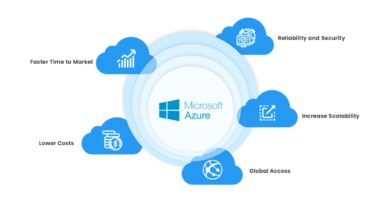
Managing cloud costs can feel like navigating a maze—especially when you’re dealing with a vast ecosystem like Microsoft Azure. That’s where the Azure Cost Calculator becomes your ultimate guide. This powerful tool helps you estimate, plan, and optimize your cloud expenses with precision and confidence.




What Is the Azure Cost Calculator?

The Azure Cost Calculator is an essential online tool provided by Microsoft to help businesses, developers, and IT decision-makers estimate the cost of using Azure services before deployment. Whether you’re planning a small-scale application or a large enterprise infrastructure, this calculator gives you a clear financial forecast based on your configuration choices.
Core Purpose and Functionality
The primary goal of the Azure Cost Calculator is to eliminate guesswork from cloud budgeting. It allows users to select specific Azure services—such as virtual machines, storage, networking, and databases—and configure them according to real-world usage scenarios. Once configured, the tool generates a detailed cost estimate in your preferred currency.
- Enables pre-deployment cost forecasting
- Supports multiple Azure regions and service tiers
- Offers real-time pricing updates based on current Azure rates
This functionality is crucial for organizations aiming to maintain financial control while leveraging the scalability of the cloud. Unlike rough estimates or third-party tools, the Azure Cost Calculator pulls data directly from Microsoft’s pricing engine, ensuring accuracy and reliability.
Differences Between Azure Pricing Calculator and TCO Calculator
It’s important to distinguish between the Azure Pricing Calculator (commonly referred to as the Azure Cost Calculator) and the Azure Total Cost of Ownership (TCO) Calculator. While both are valuable, they serve different purposes.
- Azure Cost Calculator: Focuses on estimating the ongoing operational costs of running workloads in Azure.
- TCO Calculator: Compares on-premises infrastructure costs with moving those workloads to Azure, providing a long-term financial analysis.
For example, if you want to know how much a VM in East US will cost per month, use the Azure Cost Calculator. But if you’re evaluating whether migrating your entire data center to Azure saves money over five years, the TCO Calculator is more appropriate. You can explore the TCO tool here: Azure TCO Calculator.
“The Azure Cost Calculator isn’t just about numbers—it’s about empowering teams to make informed, financially sound cloud decisions.” — Microsoft Azure Documentation
Why Use the Azure Cost Calculator?
In today’s competitive tech landscape, cost efficiency is not optional—it’s a necessity. The Azure Cost Calculator plays a pivotal role in helping organizations avoid budget overruns and optimize resource allocation.
Prevent Budget Overruns Before Deployment
One of the biggest challenges in cloud adoption is unexpected costs. Without proper planning, a simple proof-of-concept can spiral into a costly production environment. The Azure Cost Calculator allows teams to simulate various deployment scenarios and understand their financial impact upfront.
- Identify high-cost components before launch
- Compare different VM sizes and their pricing implications
- Adjust configurations to meet budget constraints
For instance, choosing a Dv3-series VM over a Dv2-series might offer better performance, but it could also increase monthly costs by 20%. The calculator makes these trade-offs visible, enabling smarter decision-making.
Support for Multi-Service Architecture Planning
Modern applications rarely rely on a single service. They often combine compute, storage, networking, databases, and AI/ML components. The Azure Cost Calculator supports complex, multi-layered architectures by allowing you to add and configure dozens of services within a single estimate.
- Add virtual machines, blob storage, and Azure SQL Database in one project
- Configure autoscaling and availability zones
- Estimate data transfer and bandwidth costs across regions
This holistic view ensures that no hidden costs slip through the cracks. For teams building microservices or serverless applications, this level of detail is invaluable.
How to Use the Azure Cost Calculator Step by Step
Using the Azure Cost Calculator is straightforward, but mastering it requires understanding its features and best practices. Here’s a comprehensive walkthrough to help you get the most out of the tool.
Step 1: Access the Tool and Create a New Estimate
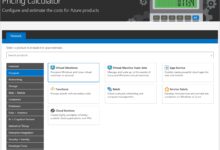
The Azure Cost Calculator is freely accessible at https://azure.microsoft.com/en-us/pricing/calculator/. No login is required to start, though signing in with a Microsoft account allows you to save and share your estimates.
- Visit the Azure Pricing Calculator page
- Click “+ Add” to begin building your estimate
- Select the type of service you want to include (e.g., Virtual Machines, Storage, App Services)
Once you’ve added a service, you can customize its specifications directly in the interface.
Step 2: Configure Your Services Accurately
Accuracy is key to getting reliable cost projections. When configuring a service like a Virtual Machine, pay attention to:
- Instance size (e.g., B2s, D4s_v3, E8_v3)
- Region (pricing varies by location)
- Operating system (Windows typically costs more than Linux)
- Uptime (e.g., 24/7 vs. 12 hours/day)
- Storage type and size (SSD vs. HDD, disk count)
For example, a Standard_D4s_v3 VM in the West Europe region running Windows will cost significantly more than the same VM in South Central US with Linux. These nuances are automatically reflected in your total estimate.
Step 3: Review, Save, and Share Your Estimate
After configuring all your services, review the summary section. The calculator displays your estimated monthly and annual costs, broken down by service. You can also download the estimate as a CSV or PDF file for reporting purposes.
- Click “Download” to export your cost breakdown
- Save the estimate to your Microsoft account for future editing
- Share the link with stakeholders for collaboration
This transparency fosters better communication between technical teams and finance departments, aligning cloud strategy with business goals.
Key Features of the Azure Cost Calculator
The Azure Cost Calculator is more than just a number generator—it’s a strategic planning tool packed with features designed to enhance accuracy and usability.
Real-Time Pricing Integration
One of the most powerful aspects of the Azure Cost Calculator is its integration with Microsoft’s live pricing database. This means the estimates you receive reflect the latest rates, including any recent discounts or regional variations.
- Prices update automatically when Azure changes its rates
- Supports reserved instances and hybrid benefits
- Includes taxes and additional fees where applicable
This real-time sync ensures that your financial models remain accurate over time, reducing the risk of outdated assumptions.
Support for Reserved Instances and Savings Plans
To help users maximize savings, the Azure Cost Calculator allows you to model the impact of Reserved Virtual Machine Instances and Compute Savings Plans.
- Select “1-year” or “3-year” reservation terms
- Compare pay-as-you-go vs. reserved pricing
- See potential savings (often 40–72%)
For example, reserving a D4s_v3 VM for three years can reduce its hourly rate by over 60%, significantly lowering long-term costs. The calculator highlights these savings clearly, making it easier to justify upfront commitments.
Customization by Region and Currency
Global organizations need localized cost estimates. The Azure Cost Calculator supports over 140 countries and multiple currencies, allowing teams to generate region-specific budgets.
- Switch between USD, EUR, GBP, JPY, and others
- Select from 60+ Azure regions worldwide
- Compare pricing differences between regions (e.g., North Europe vs. Southeast Asia)
This flexibility is especially useful for multinational companies planning regional deployments or looking to optimize costs by choosing lower-priced regions.
Common Mistakes When Using the Azure Cost Calculator
Even experienced users can make errors that lead to inaccurate estimates. Being aware of these pitfalls can help you generate more reliable forecasts.
Overlooking Data Transfer and Network Costs
Many users focus on compute and storage but forget about data egress fees. While inbound data is free, outbound data transfer—especially across regions or to the internet—can add up quickly.
- Egress from Azure to the internet is charged per GB
- Cross-region replication incurs additional costs
- Content Delivery Network (CDN) usage affects bandwidth pricing
Always include data transfer estimates in your model. For example, a media company streaming 10 TB of video monthly could face hundreds in egress fees alone.
Ignoring Idle or Underutilized Resources
The calculator assumes your resources are actively used. However, in real environments, VMs may be left running during off-hours, leading to wasted spend.
- A VM running 24/7 costs 3x more than one used 8 hours/day
- Use shutdown schedules to reduce costs
- Monitor actual usage with Azure Cost Management
To avoid this, adjust your usage hours realistically. If a dev/test environment is only needed during business hours, set the uptime to 8 hours/day, 5 days/week.
Failing to Account for Software Licensing
Some Azure services include licensing costs (e.g., Windows Server, SQL Server), while others allow bring-your-own-license (BYOL). Misconfiguring this can skew your estimate.
- Windows VMs include OS licensing in the hourly rate
- SQL Server on Azure VMs offers multiple licensing models
- Hybrid Benefit can reduce costs if you have existing licenses
Always verify licensing options and apply Azure Hybrid Benefit where eligible to cut costs by up to 80%.
Advanced Tips for Maximizing the Azure Cost Calculator
Once you’ve mastered the basics, you can leverage advanced techniques to refine your estimates and drive cost optimization.
Use Tags to Organize Complex Estimates
For large-scale projects, use tags to categorize resources by department, environment, or application. This makes it easier to analyze cost distribution later.
- Tag resources as “Production”, “Dev”, “Finance App”, etc.
- Filter and export cost data by tag
- Align with internal cost allocation models
While the calculator itself doesn’t enforce tagging, documenting your tagging strategy within the estimate notes ensures consistency across teams.
Compare Scenarios for Cost Optimization
The Azure Cost Calculator lets you create multiple estimates, enabling side-by-side comparisons. Use this to evaluate different architectural approaches.
- Compare VM-based vs. serverless (Azure Functions) architectures
- Test different storage tiers (Hot vs. Cool vs. Archive)
- Evaluate the cost of high availability vs. single-instance setups
For example, replacing a constantly running VM with an Azure Function triggered by events could reduce costs from $100/month to under $10, depending on usage.
Integrate with Azure Cost Management + Billing
The calculator is a planning tool, but actual spending should be monitored using Azure Cost Management + Billing. This service provides real-time cost tracking, budget alerts, and optimization recommendations.
- Set monthly budgets with alert thresholds
- View actual vs. estimated costs
- Receive AI-driven recommendations (e.g., right-size underutilized VMs)
Link your calculator estimates to actual usage data to refine future forecasts and improve accuracy. Learn more: Azure Cost Management Documentation.
Real-World Use Cases of the Azure Cost Calculator
The true value of the Azure Cost Calculator shines in practical applications. Let’s explore how different organizations use it to plan and optimize their cloud investments.
Startup Planning MVP Deployment
A tech startup building a Minimum Viable Product (MVP) needs to stay within a tight budget. Using the Azure Cost Calculator, they can estimate the cost of hosting a web app on Azure App Service, storing data in Azure Cosmos DB, and using Azure Blob Storage for media.
- App Service: ~$70/month (Basic B1 tier)
- Cosmos DB: ~$25/month (400 RU/s)
- Blob Storage: ~$5/month (50 GB)
- Total: ~$100/month
With this estimate, the startup can confidently allocate funds and scale as user demand grows.
Enterprise Migration to Azure
A large financial institution planning to migrate 500 on-premises servers to Azure uses the calculator to model different migration waves. They estimate costs for:
- Virtual Machines (Windows & Linux)
- ExpressRoute for secure connectivity
- Azure Backup and Site Recovery
- Monitoring with Azure Monitor
The total estimated cost is $280,000 annually. By comparing this with their current on-premises TCO of $450,000, they justify the migration with a projected savings of $170,000 per year.
Educational Institution Hosting Online Courses
A university launching an online learning platform uses the Azure Cost Calculator to estimate bandwidth and storage needs during peak enrollment periods. They include:
- Azure CDN for video delivery
- Azure Active Directory for user authentication
- Static Web Apps for course portals
The estimate helps them secure funding and avoid over-provisioning during off-semester months.
What is the Azure Cost Calculator used for?
The Azure Cost Calculator is used to estimate the monthly or annual cost of running Azure services before deployment. It helps users plan budgets, compare pricing options, and optimize cloud resource usage by providing detailed cost breakdowns for virtual machines, storage, networking, databases, and more.
Is the Azure Cost Calculator free to use?
Yes, the Azure Cost Calculator is completely free to use. No Microsoft account is required to create estimates, although signing in allows you to save, edit, and share your cost projections. It’s accessible at no cost on the official Azure website.
How accurate is the Azure Cost Calculator?
The Azure Cost Calculator is highly accurate because it uses real-time pricing data directly from Microsoft Azure. However, actual costs may vary based on usage patterns, data transfer, and unanticipated resource consumption. It’s best used as a planning tool in conjunction with Azure Cost Management for ongoing monitoring.
Can I export my cost estimate from the Azure Cost Calculator?
Yes, you can export your cost estimate as a CSV or PDF file. This feature is useful for sharing with stakeholders, including finance teams or management, and for record-keeping. The export includes a detailed breakdown of all selected services and their associated costs.
Does the Azure Cost Calculator include reserved instance discounts?
Yes, the Azure Cost Calculator allows you to model the cost savings of Reserved Virtual Machine Instances and Compute Savings Plans. You can select 1-year or 3-year terms and see the discounted rates compared to pay-as-you-go pricing, helping you evaluate long-term cost reduction strategies.
The Azure Cost Calculator is far more than a simple pricing tool—it’s a strategic asset for anyone planning to use Microsoft Azure. From startups to enterprises, this tool empowers users to forecast costs accurately, avoid budget overruns, and make informed architectural decisions. By understanding its features, avoiding common mistakes, and applying advanced techniques like scenario comparison and tagging, you can maximize its value. When combined with Azure Cost Management, it forms a complete cost governance framework that ensures your cloud journey is both powerful and financially sustainable. Whether you’re launching a new app or migrating an entire data center, the Azure Cost Calculator should be your first step toward cost-effective cloud computing.
Further Reading: