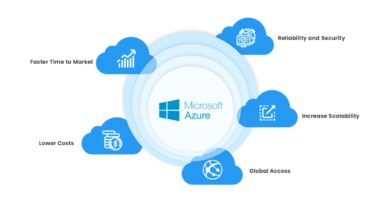
Kickstarting your cloud career? Becoming Azure certified isn’t just a badge—it’s a game-changer. With Microsoft dominating the cloud space, this credential opens doors, boosts credibility, and skyrockets your value in IT.



What Does It Mean to Be Azure Certified?

Earning an Azure certification means you’ve proven your expertise in Microsoft’s cloud platform through rigorous exams designed by industry experts. These certifications validate your ability to design, implement, and manage cloud solutions using Azure services. They’re not just for show—they’re trusted by employers worldwide as a benchmark of real-world skills.
Defining Azure Certification
Azure certified professionals have passed one or more exams administered by Microsoft, demonstrating proficiency across various cloud domains such as networking, security, compute, and data management. These credentials are role-based, meaning they align with specific job functions like administrator, developer, or architect.
- Validated by Microsoft, the creator of Azure
- Recognized globally by top tech employers
- Aligned with real-world job roles and responsibilities
“Certifications are no longer optional—they’re essential for career progression in cloud computing.” — Mary Jo Foley, ZDNet
Different Levels of Azure Certifications
Microsoft offers a tiered structure for its Azure certifications: Fundamentals, Associate, and Expert. Each level builds on the previous one, ensuring a progressive learning path.
- Fundamentals: Ideal for beginners; covers basic cloud concepts and Azure services.
- Associate: Designed for IT professionals with some experience; focuses on implementation and management.
- Expert: For seasoned professionals who can design complex cloud solutions.
For example, the AZ-900: Microsoft Azure Fundamentals exam is often the starting point for newcomers.
Why Pursue Azure Certification?
The demand for cloud-skilled professionals is skyrocketing. According to LinkedIn’s 2023 Jobs on the Rise report, cloud computing roles grew over 30% year-over-year. Being Azure certified positions you at the forefront of this digital transformation wave.
Industry Demand for Azure Skills
Microsoft Azure is the second-largest cloud provider globally, holding over 20% market share after AWS. Enterprises across finance, healthcare, and government rely on Azure for hybrid and multi-cloud environments. This widespread adoption fuels continuous demand for certified experts.
- Over 1.4 million Azure job postings in 2023 required certification (Source: Burning Glass)
- 95% of Fortune 500 companies use Microsoft Azure
- High demand in regulated industries due to Azure’s compliance capabilities
Visit Microsoft Azure Overview to explore its enterprise reach.
Salary Advantages for Azure Certified Professionals
Certification directly impacts earning potential. According to Global Knowledge’s 2023 IT Skills and Salary Report, Azure-certified professionals earn an average of $120,000 annually in the U.S., with experts exceeding $150,000.
- Azure Solutions Architect Experts average $158,000 per year
- DevOps Engineers with AZ-400 certification see 25% higher pay
- Entry-level admins with AZ-104 earn 15–20% more than non-certified peers
“Certifications provide measurable ROI—not just for individuals, but for organizations investing in skilled talent.” — David Whitley, Global Knowledge
Types of Azure Certifications Available
Microsoft has moved from product-focused exams to role-based certifications. This shift ensures that being Azure certified reflects actual job performance, not just theoretical knowledge.
Azure Fundamentals (AZ-900)
The AZ-900 exam is perfect for those new to cloud computing. It covers core Azure services, security, privacy, compliance, and pricing models. While not required for advanced certifications, it’s highly recommended as a foundation.
- No prerequisites—ideal for students or career changers
- Covers cloud concepts like IaaS, PaaS, SaaS
- Includes understanding of Azure subscriptions and support plans
Study resources are freely available at Microsoft Learn Azure Fundamentals Path.
Azure Associate Certifications
These are the workhorses of the Azure certification ecosystem. Designed for professionals with 1–2 years of hands-on experience, they validate practical implementation skills.
- AZ-104: Microsoft Azure Administrator – Manage Azure identities, governance, storage, and virtual networks.
- AZ-204: Developing Solutions for Microsoft Azure – Build and deploy cloud applications using Azure services.
- AZ-305: Designing Microsoft Azure Infrastructure Solutions – For architects designing scalable, secure solutions.
Each of these paths requires deep engagement with the platform. For instance, AZ-104 candidates must understand role-based access control (RBAC), Azure Monitor, and backup strategies.
Azure Expert and Specialty Certifications
At the expert level, certifications like Microsoft Certified: Azure Solutions Architect Expert (requires AZ-305) demand mastery over complex solution design, cost optimization, and hybrid integration.
- Requires passing both AZ-305 and AZ-104 (or equivalent)
- Focuses on decision-making in real-world scenarios
- Includes disaster recovery, high availability, and migration planning
Specialty certifications, like Azure for SAP Workloads (AZ-120), cater to niche but high-value domains. These are critical for consultants working with enterprise resource planning (ERP) systems in the cloud.
How to Prepare for Azure Certification Exams
Becoming Azure certified isn’t about cramming—it’s about structured learning and hands-on practice. The best candidates combine official training, lab work, and community support.
Official Microsoft Learning Paths
Microsoft Learn offers free, interactive modules tailored to each certification. These are self-paced, include knowledge checks, and often feature sandbox environments for practice.
- Each module aligns directly with exam objectives
- Includes videos, readings, and hands-on labs
- Tracks progress and awards completion badges
For example, the AZ-104 learning path includes 14 modules covering identity management, virtual networking, and monitoring.
Hands-On Practice with Azure Labs
No amount of reading replaces actual experience. Microsoft provides free Azure accounts for learning, including $100 credit for new users and access to sandbox environments.
azure certified – Azure certified menjadi aspek penting yang dibahas di sini.
- Create virtual machines, configure networks, set up blob storage
- Practice deploying ARM templates and managing resource groups
- Test backup and recovery procedures in a safe environment
Platforms like AzureLabs.io and Pluralsight also offer guided lab experiences.
“If you want to pass the exam, build it. If you want to master it, break it and fix it.” — John Savill, Azure MVP
Third-Party Study Resources and Communities
Beyond Microsoft, a vibrant ecosystem supports Azure learners. From YouTube channels to Reddit communities, these resources offer tips, practice tests, and moral support.
- YouTube: John Savill’s ITPro TV and Microsoft Mechanics provide deep dives
- Reddit: r/Azure and r/MSLEARN are active discussion hubs
- Practice Exams: Whizlabs, MeasureUp, and Udemy offer realistic test simulations
Joining study groups or accountability partners can significantly improve retention and motivation.
The Exam Experience: What to Expect
Knowing what happens during the exam reduces anxiety and improves performance. Whether you take it online or at a test center, preparation includes understanding format, timing, and question types.
Exam Format and Question Types
Azure certification exams typically last 120 minutes and include 40–60 questions. Formats vary:
- Multiple choice (single and multiple answers)
- Drag-and-drop for architectural scenarios
- Case studies with multiple questions per scenario
- Short answer or fill-in-the-blank for command-line tools
Questions are scenario-based, testing your ability to apply knowledge rather than recall facts.
Scheduling and Test Center Options
Exams are delivered through Pearson VUE. You can choose between:
- In-person at a certified test center
- Online proctored exam from home or office
When scheduling, ensure you have a quiet room, stable internet, and a government-issued ID. The online proctor will verify your environment before starting.
Visit Pearson VUE Microsoft to book your exam.
Tips for Passing on Your First Attempt
Success isn’t just about knowledge—it’s about strategy. Follow these proven tips:
- Take at least 2 full-length practice exams before the real one
- Review every incorrect answer and understand why
- Focus on weak areas identified in practice tests
- Use the process of elimination for tough multiple-choice questions
- Flag uncertain questions and return to them later
Many candidates fail due to time mismanagement. Practice under timed conditions to build stamina.
Career Paths After Becoming Azure Certified
Earning an Azure certification isn’t the end—it’s a launchpad. From system administration to cloud architecture, the career trajectories are diverse and lucrative.
Common Job Roles for Azure Certified Professionals
Depending on your certification level, you can qualify for various roles:
- Azure Administrator: Manages cloud infrastructure, ensures uptime, and handles security policies.
- Cloud Developer: Builds applications using Azure App Services, Functions, and Cosmos DB.
- Solutions Architect: Designs end-to-end cloud solutions aligned with business goals.
- DevOps Engineer: Automates deployment pipelines using Azure DevOps and CI/CD tools.
Job boards like Indeed and Glassdoor show thousands of openings for these roles, many explicitly requiring Azure certification.
Advancement to Expert and Leadership Roles
With experience and advanced certifications, you can move into leadership positions:
- Cloud Team Lead or Manager
- Chief Technology Officer (CTO) in startups
- Cloud Consultant for global firms like Accenture or Deloitte
Expert-level certifications signal strategic thinking and technical depth, making you a go-to person for complex projects.
“Certifications open doors, but your ability to solve problems keeps them open.” — Sarah Novotny, Former Azure PM
Renewal and Staying Current
Unlike older certifications that never expired, Azure certifications are valid for one year. This ensures professionals stay up-to-date with rapid cloud evolution.
Why Certification Renewal Matters
Cloud technology changes fast. New services, security updates, and compliance requirements emerge constantly. Annual renewal ensures that an Azure certified professional’s knowledge remains relevant.
- Prevents knowledge stagnation
- Encourages continuous learning
- Maintains trust with employers and clients
Microsoft introduced this model in 2021 to reflect the dynamic nature of cloud environments.
How to Renew Your Azure Certification
Renewal is done through Microsoft Learn assessments—short, free online exams that test updated knowledge.
azure certified – Azure certified menjadi aspek penting yang dibahas di sini.
- Available 90 days before expiration
- Takes 30–60 minutes to complete
- Covers new features and best practices
You can renew multiple certifications at once if they expire around the same time. Visit your Microsoft Certification Dashboard to manage renewals.
Benefits of Continuous Learning
Staying current isn’t just about compliance—it’s a career accelerator.
- Gain early access to new Azure features
- Improve job security in a competitive market
- Become a mentor or trainer for junior staff
- Position yourself for promotions or consulting opportunities
Many professionals use renewal as a chance to upskill into adjacent areas like AI (Azure AI Engineer) or security (Azure Security Engineer).
Real-World Impact of Being Azure Certified
The true value of being Azure certified goes beyond salary and job titles. It’s about confidence, credibility, and contribution.
Success Stories from Azure Certified Professionals
Take the case of Maria Lopez, a former helpdesk technician who earned her AZ-900 and AZ-104 within six months. She transitioned into an Azure Administrator role at a healthcare firm, doubling her salary.
- John Kim, a developer, used AZ-204 to pivot into cloud-native development
- Raj Patel, an IT manager, earned AZ-305 to lead his company’s cloud migration
- Lena Chen became a Microsoft MVP after sharing her certification journey online
These stories highlight how Azure certification can be a catalyst for transformation.
Organizational Benefits of Certified Teams
Companies that invest in certifying their teams see tangible returns:
- Faster cloud adoption and migration
- Reduced downtime and security incidents
- Better cost management through optimized resource usage
- Eligibility for Microsoft partner programs (e.g., Gold Cloud Platform Competency)
A study by Forrester found that organizations with certified Azure teams achieved 35% faster project delivery.
“Certified teams are 2.3x more likely to complete cloud projects on time and under budget.” — Forrester Research, 2022
What is the easiest Azure certification to start with?
The AZ-900: Microsoft Azure Fundamentals is the easiest and most recommended starting point. It requires no prior experience and covers essential cloud concepts, making it ideal for beginners, career changers, or non-technical stakeholders.
How long does it take to become Azure certified?
For a beginner, earning the AZ-900 can take 20–30 hours of study over 3–6 weeks. Associate-level certifications like AZ-104 typically require 80–120 hours over 2–3 months, depending on prior experience and study pace.
Are Azure certifications worth it in 2024?
Absolutely. With cloud adoption accelerating and Azure’s market share growing, Azure certified professionals are in high demand. Certifications enhance job prospects, salary potential, and technical credibility in a competitive IT landscape.
Can I get Azure certified for free?
While exams cost money (typically $99–$165), Microsoft offers free learning resources via Microsoft Learn. Additionally, programs like Microsoft Learn Student Ambassadors or events like Azure Global Bootcamp provide free exam vouchers.
Do Azure certifications expire?
Yes, all Azure certifications are valid for one year. You must renew them through free online assessments on Microsoft Learn to maintain your certified status and stay current with evolving technologies.
Becoming Azure certified is more than passing an exam—it’s a commitment to excellence in the cloud era. From foundational knowledge to expert design, these credentials validate your skills, boost your career, and empower organizations to innovate. Whether you’re starting fresh or advancing your expertise, the Azure certification path offers structure, credibility, and real-world impact. With continuous learning and strategic preparation, you’re not just getting certified—you’re future-proofing your career.
azure certified – Azure certified menjadi aspek penting yang dibahas di sini.
Further Reading: