Kickstarting your journey with Azure certifications can skyrocket your tech career—offering credibility, higher salaries, and unmatched expertise in Microsoft’s cloud ecosystem. Let’s dive into the ultimate roadmap.
Why Azure Certifications Are a Game-Changer

Earning Azure certifications isn’t just about adding a badge to your LinkedIn profile—it’s about proving real-world skills in one of the fastest-growing cloud platforms globally. Microsoft Azure powers over 1.4 billion users and supports 95% of Fortune 500 companies, making these credentials highly sought after.
Industry Demand for Azure Skills
According to LinkedIn’s 2023 Jobs on the Rise report, cloud computing roles are among the top 10 fastest-growing careers, with Azure specialists consistently in high demand. Companies across finance, healthcare, and government sectors are migrating to Azure, creating a talent gap that certified professionals can fill.
- 70% of enterprises use Azure for hybrid cloud solutions.
- Microsoft reports over 20 million Azure active users monthly.
- Certified Azure professionals earn 20–30% more than non-certified peers.
“Certifications validate skills that hiring managers can trust. In a competitive market, Azure certs give candidates a clear edge.” — Microsoft Learn Team
ROI of Getting Certified
The return on investment for Azure certifications is substantial. Entry-level exams cost around $99, while advanced ones range from $165–$200. Compare that to the average salary bump: certified Azure Administrators earn $85K–$110K annually in the U.S., and Architects can command $130K+.
- Recoup exam costs within weeks of a salary increase.
- Boost job interview callback rates by up to 40%.
- Access exclusive Microsoft partner programs and client projects.
Types of Azure Certifications Available
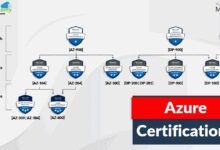
Microsoft has restructured its certification paths to align with modern job roles. Gone are the days of generic exams—now, Azure certifications are role-based, focusing on specific skills like administration, development, security, and architecture.
Fundamental-Level Certifications
These are designed for beginners or those exploring cloud concepts. They lay the groundwork for more advanced paths.
- Azure Fundamentals (AZ-900): Covers cloud concepts, core Azure services, security, pricing, and support. Ideal for non-technical roles or career switchers.
- Azure AI Fundamentals (AI-900): Introduces AI workloads, machine learning, and Azure AI services.
- Azure Data Fundamentals (DP-900): Focuses on core data concepts, relational and non-relational data, and data analytics in Azure.
These exams don’t require prior experience and serve as excellent entry points. Learn more at Microsoft’s official certification page.
Role-Based Azure Certifications
These are tailored to specific job functions and require hands-on experience. They are the gold standard for career advancement.
- Azure Administrator (AZ-104): Validates skills in implementing, managing, and monitoring Azure resources.
- Azure Developer (AZ-204): For professionals building cloud applications and services.
- Azure Security Engineer (AZ-500): Focuses on securing identities, data, applications, and networks.
- Azure Solutions Architect (AZ-305): For designing scalable, secure, and reliable cloud solutions.
- Azure DevOps Engineer (AZ-400): Covers CI/CD, source control, and infrastructure as code.
Each role-based certification aligns with real-world job descriptions, making them highly respected by employers. Explore the full list at Microsoft Learn Certifications.
Step-by-Step Guide to Earning Azure Certifications
Success in Azure certifications doesn’t happen overnight. It requires a structured approach combining learning, practice, and exam readiness.
Step 1: Choose the Right Certification Path
Start by assessing your current skills and career goals. Are you an IT admin? Go for AZ-104. A developer? AZ-204 is your target. Use Microsoft’s Certification Finder tool to match your profile.
- Assess your technical background.
- Identify your dream job role.
- Map out a certification roadmap (e.g., AZ-900 → AZ-104 → AZ-305).
Step 2: Leverage Free and Paid Learning Resources
Microsoft Learn offers free, interactive modules for every certification. Supplement these with hands-on labs, practice exams, and community forums.
- Complete Microsoft Learn paths (e.g., “Become a Microsoft Azure Administrator”).
- Use Azure Free Account ($200 credit and 12 months of free services) for real practice.
- Take practice tests from reputable providers like MeasureUp or Whizlabs.
“Hands-on experience is non-negotiable. You can’t pass AZ-104 without spinning up VMs, configuring networks, and managing storage.” — Azure MVP, Sarah Johnson
Step 3: Schedule and Pass the Exam
Exams are delivered through Pearson VUE or Certiport. Schedule early to secure your preferred date. Most exams are 100–180 minutes long, with 40–60 questions including case studies and drag-and-drop items.
- Review the official exam outline before studying.
- Join study groups on Reddit (r/AzureCertification) or Discord.
- Simulate exam conditions with timed practice tests.
Top 7 Azure Certifications to Boost Your Career in 2024
Not all Azure certifications are created equal. Some offer better ROI, job opportunities, and long-term growth. Here are the top 7 you should consider.
1. Microsoft Certified: Azure Administrator Associate (AZ-104)
This is the most popular Azure certification and a must-have for IT professionals managing cloud infrastructure.
- Covers virtual machines, storage, virtual networks, and identity management.
- Prerequisite: Basic understanding of Azure services (AZ-900 helps).
- Average salary: $95,000/year in the U.S.
It’s a gateway to advanced roles and often required for cloud support positions. Learn more at Azure Administrator Certification.
2. Microsoft Certified: Azure Solutions Architect Expert (AZ-305)
This expert-level cert is for professionals designing end-to-end cloud solutions. It’s one of the most respected in the industry.
- Requires passing AZ-104 first (or equivalent experience).
- Covers cost optimization, governance, disaster recovery, and hybrid integration.
- Holders often move into senior architect or consulting roles.
“AZ-305 isn’t just about technology—it’s about business impact. You’re expected to align technical designs with organizational goals.” — Cloud Architect, David Kim
3. Microsoft Certified: Azure Developer Associate (AZ-204)
Perfect for software engineers building applications on Azure. This cert proves you can develop, deploy, and maintain cloud-native apps.
- Focuses on Azure App Services, Functions, Storage, and SDKs.
- Requires knowledge of C#, Python, or Node.js.
- High demand in fintech and SaaS companies.
It’s a stepping stone to DevOps or full-stack cloud development roles.
4. Microsoft Certified: Azure Security Engineer Associate (AZ-500)
With cyber threats rising, security is critical. This certification validates your ability to secure Azure environments.
- Covers identity protection, network security, endpoint protection, and threat detection.
- Integrates with Microsoft Defender for Cloud and Azure AD.
- Average salary: $110,000+ in North America.
It’s ideal for SOC analysts, security consultants, and compliance officers.
5. Microsoft Certified: DevOps Engineer Expert (AZ-400)
This expert-level cert combines development and operations, focusing on automation, CI/CD, and infrastructure as code.
- Requires AZ-204 or AZ-305 as a prerequisite.
- Covers Azure Pipelines, GitHub Actions, ARM templates, and monitoring.
- Highly valued in agile and cloud-native organizations.
It’s one of the most challenging but rewarding Azure certifications.
6. Microsoft Certified: Azure Data Scientist Associate (DP-100)
For data professionals building machine learning models in Azure. This cert is growing in popularity with the AI boom.
- Covers data preparation, model training, deployment, and monitoring.
- Uses Azure Machine Learning service and Python SDK.
- Perfect for data scientists transitioning to cloud ML.
It bridges the gap between data science and cloud engineering.
7. Microsoft Certified: Azure AI Engineer Associate (AI-102)
For engineers building AI solutions using Azure Cognitive Services and Language Understanding (LUIS).
- Covers natural language processing, speech recognition, and computer vision.
- Used in chatbots, voice assistants, and image analysis systems.
- High demand in customer service automation and healthcare AI.
This is a niche but high-growth certification in the AI space.
How Azure Certifications Impact Salary and Career Growth
The financial and professional benefits of Azure certifications are well-documented. Let’s break down the real-world impact.
Salary Increases by Certification Level
Multiple salary surveys show a direct correlation between Azure certs and income. Here’s a snapshot based on 2023 data from Payscale, Glassdoor, and Global Knowledge.
- Fundamentals (AZ-900): +$5K–$10K over non-certified peers.
- Associate (e.g., AZ-104, AZ-204): $85K–$110K average.
- Expert (e.g., AZ-305, AZ-400): $120K–$150K average.
- Specialty (e.g., AZ-500): Up to $160K in senior roles.
Location, experience, and industry also play a role, but certification consistently adds value.
Promotions and Job Opportunities
Certified professionals are more likely to be promoted or hired for cloud-centric roles. Many organizations have internal policies that reward certification with bonuses or title changes.
- 60% of IT managers say certifications influence promotion decisions.
- Cloud roles are growing 2x faster than traditional IT jobs.
- Certified individuals report higher job satisfaction and confidence.
“After passing AZ-104, I was moved from on-prem support to the cloud migration team. It changed my career trajectory.” — IT Professional, Mark T.
Common Challenges and How to Overcome Them
While Azure certifications offer huge rewards, the journey isn’t always smooth. Here are common hurdles and proven strategies to overcome them.
Challenge 1: Information Overload
Azure has over 200 services, and it’s easy to feel overwhelmed. The key is to focus on exam objectives, not every service.
- Use the official exam skills outline as your study guide.
- Master core services (VMs, Blob Storage, VNets, RBAC) first.
- Ignore niche services unless they’re in the exam blueprint.
Challenge 2: Lack of Hands-On Experience
Many candidates study theory but fail because they lack practical skills. The solution? Use the Azure Free Account.
- Create a sandbox environment for practice.
- Follow Microsoft Learn labs step-by-step.
- Build small projects like a web app with a database.
Hands-on practice is the #1 predictor of exam success.
Challenge 3: Exam Anxiety and Time Management
Azure exams are long and complex. Many fail due to poor time management or stress.
- Take at least 3 full-length practice exams.
- Learn to flag and skip difficult questions.
- Practice reading case studies quickly and identifying key requirements.
“I failed AZ-305 the first time because I ran out of time. The second attempt, I practiced pacing and passed with 85%.” — Solutions Architect, Lisa Chen
Future-Proofing Your Career with Azure Certifications
The cloud isn’t a trend—it’s the foundation of modern IT. Azure certifications ensure you stay relevant in a rapidly evolving tech landscape.
Cloud Adoption Trends
Gartner predicts that by 2025, 95% of new digital workloads will be deployed on cloud-native platforms. Microsoft Azure is second only to AWS in market share, with 23% of the global cloud infrastructure market.
- Hybrid cloud is a key Azure strength, appealing to enterprises with legacy systems.
- Azure’s integration with Microsoft 365 and Active Directory gives it an edge in enterprise adoption.
- AI and machine learning services are rapidly expanding, creating new certification paths.
Lifelong Learning and Recertification
Microsoft requires recertification every year to ensure skills stay current. This isn’t a burden—it’s a benefit.
- Recertification keeps you updated on new features and best practices.
- You can renew via online assessments, not full exams.
- It shows employers you’re committed to continuous improvement.
Think of Azure certifications as a career-long journey, not a one-time achievement.
Are Azure certifications worth it?
Absolutely. They validate your skills, increase your earning potential, and open doors to high-growth cloud roles. Whether you’re starting out or advancing your career, Azure certifications provide a clear, structured path to success.
How long does it take to get Azure certified?
It depends on your background. Beginners might spend 4–6 weeks on AZ-900, while AZ-305 could take 3–6 months with hands-on practice. Most people dedicate 80–120 hours per associate-level exam.
Do Azure certifications expire?
Yes. Most certifications are valid for one year. You must complete a free online assessment annually to stay certified. This ensures your knowledge remains up to date with Azure’s rapid evolution.
Can I get Azure certified for free?
You can access free learning resources via Microsoft Learn, but exams cost money (typically $99–$165). Microsoft occasionally offers free exam vouchers through events like Ignite or training campaigns.
Which Azure certification is best for beginners?
AZ-900: Azure Fundamentals is the best starting point. It requires no prior experience and builds a solid foundation for more advanced certifications.
Investing in Azure certifications is one of the smartest career moves you can make in today’s tech landscape. From foundational knowledge to expert-level mastery, these credentials validate your expertise, boost your salary, and future-proof your skills. Whether you’re an administrator, developer, or security professional, there’s a clear path for you. Start with AZ-900, build hands-on experience, and climb the certification ladder. The cloud isn’t coming—it’s already here, and Azure is leading the charge.
Further Reading:
