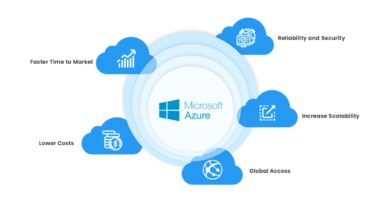
Welcome to the world of Azure apps, where innovation meets scalability in the cloud. Whether you’re building enterprise software or launching a startup, Microsoft Azure offers a dynamic ecosystem to power your digital ambitions with unmatched flexibility and security.



What Are Azure Apps and Why They Matter

Azure apps refer to applications built, deployed, and managed using Microsoft Azure’s cloud computing platform. These apps span web apps, mobile backends, containerized services, and serverless functions, all designed to scale on demand and integrate seamlessly with other Microsoft and third-party services. As businesses shift toward cloud-native architectures, Azure apps have become central to digital transformation strategies across industries.
Defining Azure Apps in Modern Development
Azure apps are not just hosted applications—they represent a full lifecycle approach to software development in the cloud. From development and testing to deployment and monitoring, Azure provides integrated tools that streamline every phase. These apps leverage Platform as a Service (PaaS) offerings like Azure App Service, enabling developers to focus on code rather than infrastructure management.
- Azure apps can be web, mobile, API, or background processing services.
- They support multiple languages including .NET, Node.js, Python, Java, and PHP.
- Deployment is simplified through Git, DevOps pipelines, or drag-and-drop publishing.
According to Microsoft’s official documentation, over 95% of Fortune 500 companies use Azure for at least one critical workload, highlighting its enterprise-grade reliability (Microsoft Azure Documentation).
Core Components of Azure App Ecosystem
The strength of Azure apps lies in their integration with a broad suite of cloud services. Key components include Azure App Service, Azure Functions, Azure Kubernetes Service (AKS), and Azure Logic Apps. Each plays a distinct role in building scalable, event-driven, and microservices-based applications.
- Azure App Service: Host web apps, REST APIs, and mobile backends with built-in CI/CD.
- Azure Functions: Run event-triggered code without managing servers (serverless).
- Azure Kubernetes Service (AKS): Orchestrate containerized apps using Kubernetes.
“Azure isn’t just another cloud platform—it’s a complete application innovation engine.” — Satya Nadella, CEO of Microsoft
Top 7 Benefits of Using Azure Apps
Organizations choosing Azure apps gain access to a powerful combination of performance, security, and developer productivity. These benefits are not theoretical—they translate into real-world advantages in time-to-market, cost efficiency, and operational resilience.
1. Scalability That Adapts to Demand
One of the most compelling reasons to adopt Azure apps is their ability to scale automatically. Whether traffic spikes during a product launch or seasonal demand increases, Azure apps can scale out (add more instances) or scale up (increase resources per instance) with minimal configuration.
- Auto-scaling rules can be based on CPU usage, memory, or custom metrics.
- Support for both vertical and horizontal scaling ensures optimal performance.
- Integration with Azure Monitor allows real-time tracking of app health and resource consumption.
For example, a retail company using Azure App Service reported a 400% increase in traffic during Black Friday, yet experienced zero downtime thanks to auto-scaling policies (Azure Customer Success Stories).
2. Enterprise-Grade Security and Compliance
Security is baked into every layer of Azure apps. From network isolation with Virtual Networks (VNet) to encryption at rest and in transit, Azure ensures that applications meet stringent regulatory standards such as GDPR, HIPAA, and ISO 27001.
- Azure Key Vault secures secrets, keys, and certificates.
- Managed identities eliminate the need to store credentials in code.
- DDoS protection and Web Application Firewall (WAF) defend against common attacks.
Microsoft invests over $1 billion annually in cybersecurity R&D, making Azure one of the most secure public clouds available today.
3. Seamless Integration with Microsoft 365 and Dynamics
For organizations already using Microsoft 365, Teams, or Dynamics 365, Azure apps offer native integration capabilities. This allows developers to build custom workflows, automate business processes, and extend existing productivity tools with minimal friction.
- Power Platform integration enables low-code automation via Power Automate and Power Apps.
- Azure Logic Apps connects SaaS services like Salesforce, Slack, and SAP.
- Single Sign-On (SSO) through Azure Active Directory simplifies user access.
This interconnected ecosystem reduces development time and enhances user adoption across departments.
How to Build Your First Azure App
Getting started with Azure apps doesn’t require deep cloud expertise. Microsoft provides intuitive tools and step-by-step guidance to help developers deploy their first application in under 30 minutes. Whether you’re building a simple website or a complex microservice, the process follows a consistent pattern.
Step 1: Set Up Your Azure Account
Before creating any Azure app, you need an active Azure subscription. You can start with a free account that includes $200 in credits and access to over 25 always-free services for 12 months.
- Visit Azure Free Tier to sign up.
- Use your Microsoft account or create a new one.
- Verify your identity and payment method (no charge until free tier expires).
The free tier is ideal for learning, testing, and small-scale projects without financial risk.
Step 2: Create an App Using Azure App Service
Azure App Service is the most popular choice for hosting web apps. It supports Windows and Linux environments and integrates directly with GitHub, Azure DevOps, and local Git repositories.
- Navigate to the Azure portal and select ‘Create a resource’ > ‘Web App’.
- Choose a runtime stack (e.g., .NET 8, Node.js 20, Python 3.11).
- Configure deployment source—link to GitHub for continuous deployment.
Once deployed, your app is accessible via a default URL like yourapp.azurewebsites.net. You can later map a custom domain and enable HTTPS.
Step 3: Monitor and Optimize Performance
After deployment, it’s crucial to monitor your Azure app’s performance. Azure Monitor and Application Insights provide real-time telemetry, including request rates, response times, and error logs.
- Enable Application Insights during app creation or add it later.
- Set up alerts for high CPU usage or failed requests.
- Use Profiler and Snapshot Debugger to diagnose performance bottlenecks.
These tools help ensure your Azure app remains responsive and reliable under real-world conditions.
Azure Apps vs. AWS vs. Google Cloud: A Comparative Analysis
When choosing a cloud platform, developers often compare Azure apps with Amazon Web Services (AWS) and Google Cloud Platform (GCP). While all three offer robust app hosting capabilities, key differences emerge in pricing, integration, and hybrid cloud support.
Feature Comparison: App Hosting Capabilities
Each cloud provider has its own app service equivalent:
- Azure: Azure App Service (PaaS), Azure Functions (serverless).
- AWS: AWS Elastic Beanstalk, AWS Lambda.
- Google Cloud: Google App Engine, Cloud Functions.
Azure App Service stands out for its deep integration with Visual Studio, Active Directory, and Windows-based systems—making it ideal for enterprises with existing Microsoft investments.
Pricing and Cost Management
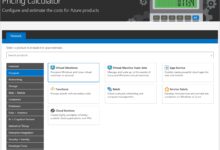
Cost is a major factor in cloud adoption. Azure offers a pay-as-you-go model with reserved instances for long-term savings. Its pricing calculator allows precise estimation of monthly costs.
- Azure often provides lower entry costs for Windows-based apps.
- AWS has a broader range of instance types but can become complex to manage.
- Google Cloud offers sustained use discounts but fewer enterprise integrations.
For hybrid environments, Azure’s pricing model is particularly attractive due to Azure Hybrid Benefit, which allows customers to use existing Windows Server and SQL Server licenses for up to 80% savings.
Hybrid and Multi-Cloud Flexibility
Azure leads in hybrid cloud scenarios with Azure Arc, which extends Azure management to on-premises servers, edge devices, and even AWS/GCP resources.
- Azure Arc enables consistent policy enforcement across environments.
- AWS Outposts and Google Anthos offer similar capabilities but with less Microsoft ecosystem integration.
- For organizations with data sovereignty requirements, Azure’s global data center footprint (60+ regions) provides unmatched reach.
This flexibility makes Azure apps a top choice for government, healthcare, and financial institutions with strict compliance needs.
Advanced Azure App Services You Should Know
Beyond basic web hosting, Azure offers advanced services that empower developers to build intelligent, scalable, and resilient applications. These tools go beyond traditional PaaS, enabling event-driven architectures, AI integration, and real-time data processing.
Azure Functions: Serverless Computing Made Simple
Azure Functions allows developers to run small pieces of code (functions) in response to events—such as HTTP requests, database changes, or file uploads—without provisioning or managing servers.
- Supports timers, queues, blobs, and service bus triggers.
- Pricing based on execution time and memory usage (pay per millisecond).
- Integrates with Durable Functions for stateful workflows.
For example, a photo-sharing app can use Azure Functions to automatically resize images when uploaded to Blob Storage—reducing backend load and improving user experience.
Azure Kubernetes Service (AKS): Orchestrate Containers at Scale
For microservices-based applications, AKS provides a managed Kubernetes environment that simplifies cluster deployment, scaling, and monitoring.
- Automatic upgrades and self-healing clusters reduce operational overhead.
- Integration with Azure Monitor for containers provides deep insights.
- Supports hybrid deployments via Azure Arc-enabled Kubernetes.
Companies like BMW and Adobe use AKS to manage thousands of containers across global deployments, ensuring high availability and rapid iteration.
Azure Logic Apps: Automate Business Workflows
Azure Logic Apps enables no-code/low-code automation of business processes by connecting apps, data, and services across cloud and on-premises systems.
- Visual designer allows drag-and-drop workflow creation.
- Premade connectors for Salesforce, Twitter, SQL Server, and more.
- Triggers based on schedules, emails, or API calls.
A logistics company might use Logic Apps to automatically update shipment status in Dynamics 365 when a tracking event occurs in an external carrier system.
Best Practices for Optimizing Azure Apps
Even the best-designed Azure apps can underperform without proper optimization. Following best practices ensures high availability, cost efficiency, and maintainability over time.
Implement CI/CD Pipelines for Faster Releases
Continuous Integration and Continuous Deployment (CI/CD) are essential for modern app development. Azure DevOps and GitHub Actions integrate seamlessly with Azure apps to automate testing and deployment.
- Create build pipelines that run unit tests on every code commit.
- Use release pipelines to deploy to staging and production environments.
- Enable blue-green deployments to minimize downtime.
Automated pipelines reduce human error and accelerate time-to-market by up to 70%, according to Microsoft case studies.
Use Caching to Improve Performance
High-traffic Azure apps benefit greatly from caching strategies. Azure Redis Cache provides a fast, in-memory data store for frequently accessed content.
- Cache database query results to reduce load on backend systems.
- Store session data for stateful web applications.
- Integrate with CDNs for global content delivery.
One media company reduced page load times by 60% after implementing Azure Redis Cache for article metadata.
Secure Your Apps with Zero Trust Principles
Adopting a Zero Trust security model means verifying every request, even from inside the network. Azure apps can enforce this through multiple layers of protection.
- Require multi-factor authentication (MFA) for admin access.
- Use Azure Policy to enforce encryption and firewall rules.
- Enable Just-In-Time (JIT) VM access to limit exposure.
Zero Trust reduces the attack surface and aligns with NIST and CISA cybersecurity frameworks.
Future Trends Shaping Azure Apps
The landscape of cloud computing is evolving rapidly, and Azure apps are at the forefront of several transformative trends. From AI-powered development to edge computing, the future promises even greater agility and intelligence.
AI-Driven Development with GitHub Copilot and Azure AI
Microsoft is integrating artificial intelligence deeply into the Azure development experience. GitHub Copilot, powered by OpenAI, assists developers in writing code faster by suggesting entire functions based on comments.
- Copilot integrates with Visual Studio and VS Code for real-time assistance.
- Azure AI services (like Cognitive Services) can be added to apps with minimal code.
- AI-powered anomaly detection in Application Insights identifies issues before users notice.
This shift toward AI-augmented development is reducing coding time by up to 55% in early adopter organizations.
Edge Computing with Azure IoT and Azure Arc
As latency-sensitive applications grow (e.g., autonomous vehicles, smart factories), edge computing becomes critical. Azure IoT Edge allows Azure apps to run locally on devices while maintaining cloud connectivity.
- Process data closer to the source for real-time decisions.
- Synchronize insights back to the cloud for analytics.
- Manage edge devices centrally via Azure Arc.
Manufacturers use this to monitor equipment health in real time, preventing costly downtime.
Sustainable Cloud Computing Initiatives
Microsoft has committed to being carbon negative by 2030. Azure apps contribute to this goal through energy-efficient data centers and tools like the Azure Sustainability Calculator.
- Optimize app architecture to reduce energy consumption.
- Choose regions powered by renewable energy.
- Monitor carbon impact of workloads using built-in dashboards.
Sustainability is no longer optional—it’s a competitive advantage for brands focused on ESG (Environmental, Social, Governance) goals.
What are Azure apps?
Azure apps are applications developed and hosted on Microsoft Azure’s cloud platform. They include web apps, mobile backends, serverless functions, and containerized services, leveraging Azure’s scalable infrastructure and integrated tools for deployment, monitoring, and security.
How much does it cost to run an Azure app?
Costs vary based on usage, but Azure offers a free tier with $200 credit for new users. Web apps start at around $13/month for basic plans, while serverless functions charge per execution. Use the Azure Pricing Calculator for accurate estimates.
Can I deploy a custom domain to my Azure app?
Yes, you can map a custom domain (e.g., yourcompany.com) to your Azure app through DNS configuration. Azure also provides free SSL certificates via App Service Managed Certificates to enable HTTPS.
Is Azure better than AWS for app development?
It depends on your ecosystem. Azure excels for organizations using Microsoft products (Windows, Active Directory, Office 365). AWS offers broader service variety, but Azure provides superior hybrid integration and developer tools for .NET and Visual Studio users.
How do I secure my Azure app?
Use Azure Security Center, enable managed identities, encrypt data with Azure Key Vault, and apply network security groups (NSGs). Also, integrate Azure AD for identity management and enforce MFA for administrative access.
In conclusion, Azure apps represent a powerful, flexible, and secure foundation for modern application development. From startups to Fortune 500 companies, organizations are leveraging Azure’s ecosystem to build scalable, intelligent, and resilient applications. With robust tools like App Service, Functions, AKS, and Logic Apps, combined with deep Microsoft integration and a commitment to innovation, Azure continues to lead the cloud revolution. Whether you’re deploying your first web app or orchestrating a global microservices architecture, Azure apps provide the infrastructure and intelligence to succeed in today’s digital landscape.
Further Reading: