Cloud computing has revolutionized the way businesses operate, and at the forefront of this transformation is Microsoft Azure. When you combine innovation with Azure, the possibilities are limitless. This guide dives deep into how ‘and azure’ unlocks scalability, security, and seamless integration for enterprises worldwide.
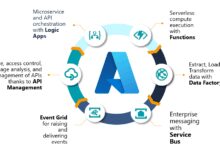
Understanding the Core of and azure

The phrase ‘and azure’ might seem simple, but in the context of cloud technology, it represents a powerful synergy—linking tools, platforms, services, and strategies with Microsoft Azure to drive digital transformation. Whether it’s integrating AI, managing data, or deploying global applications, ‘and azure’ symbolizes a bridge between legacy systems and future-ready infrastructure.
What Does ‘and azure’ Actually Mean?
The term ‘and azure’ isn’t just a conjunction; it’s a conceptual framework used across industries to describe the integration of various technologies, workflows, or business units with Microsoft Azure. For example, ‘DevOps and Azure’ implies leveraging Azure’s DevOps tools for CI/CD pipelines, while ‘AI and Azure’ refers to deploying machine learning models using Azure Cognitive Services.
- Represents integration points between external systems and Azure
- Commonly used in enterprise architecture discussions
- Indicates a hybrid or multi-cloud approach when combined with other platforms
“The real power of cloud isn’t in isolation—it’s in connection. That’s where ‘and azure’ comes into play.” — Microsoft Cloud Architect, 2023
Why ‘and azure’ Matters in Enterprise Strategy
Enterprises today are not just adopting cloud—they’re redefining their entire operational model around it. The addition of ‘and azure’ in strategic planning signals a commitment to interoperability, agility, and future-proofing IT ecosystems. According to a Microsoft Azure report, over 95% of Fortune 500 companies use Azure for at least one critical workload.
- Enables faster time-to-market for digital products
- Supports compliance and governance across regions
- Facilitates cost optimization through intelligent resource management
Key Benefits of Integrating Systems with and azure
When organizations say they are building solutions ‘and azure’, they’re often referring to the tangible benefits derived from combining Azure’s robust infrastructure with their existing tools, data, or processes. These integrations unlock performance, scalability, and innovation that standalone systems cannot achieve.
Scalability and Elasticity
One of the most compelling reasons to adopt ‘and azure’ is the ability to scale resources on demand. Azure offers auto-scaling capabilities for virtual machines, Kubernetes clusters, and serverless functions, ensuring applications can handle traffic spikes without downtime.
- Automatic scaling based on CPU, memory, or custom metrics
- Support for burstable workloads via Azure Spot VMs
- Global reach with 60+ Azure regions worldwide
For instance, a retail platform using ‘and azure’ during Black Friday can scale up web servers automatically and scale down post-event, reducing costs significantly. Learn more about Azure scaling options at Azure Virtual Machine Scale Sets.
Enhanced Security and Compliance
Security is non-negotiable in cloud environments. With ‘and azure’, organizations gain access to Azure Security Center, Azure Defender, and built-in compliance frameworks that meet global standards like GDPR, HIPAA, and ISO 27001.
- Unified security management across hybrid environments
- Threat detection powered by AI and behavioral analytics
- Zero-trust architecture support through Azure AD and Conditional Access
“Azure’s security model doesn’t just protect data—it anticipates threats before they happen.” — Cybersecurity Expert, Gartner
Top Use Cases of and azure in Real-World Applications
The versatility of ‘and azure’ shines through its diverse applications across industries. From healthcare to finance, companies are leveraging Azure to modernize operations, improve customer experiences, and drive innovation.
Healthcare: Data Integration and Telemedicine
In healthcare, ‘and azure’ enables secure integration of electronic health records (EHR) with telemedicine platforms. Azure Health Data Services allows hospitals to store, manage, and analyze patient data while maintaining HIPAA compliance.
- Real-time data exchange between clinics and cloud-based analytics engines
- AI-powered diagnostics using Azure Machine Learning
- Secure video consultations via Azure Communication Services
A leading hospital network in the U.S. reduced patient wait times by 40% after implementing a telehealth solution ‘and azure’. Read more at Azure for Healthcare.
Finance: Fraud Detection and Risk Management
Financial institutions use ‘and azure’ to deploy real-time fraud detection systems. By integrating transaction data with Azure Stream Analytics and AI models, banks can flag suspicious activities instantly.
- Processing millions of transactions per second using Azure Event Hubs
- Machine learning models trained on historical fraud patterns
- Automated alerts and response workflows via Azure Logic Apps
“With Azure, we cut false positives in fraud detection by 60%. That’s operational excellence ‘and azure’.” — CTO, Global Bank
How to Implement and azure in Your Organization
Adopting ‘and azure’ isn’t just about technology—it’s about strategy, people, and process alignment. A successful implementation requires careful planning, stakeholder buy-in, and phased execution.
Step 1: Assess Current Infrastructure
Before integrating with Azure, conduct a thorough assessment of your existing IT landscape. Identify legacy systems, data silos, and performance bottlenecks. Tools like Azure Migrate can help evaluate on-premises servers for cloud readiness.
- Inventory all applications and dependencies
- Evaluate network bandwidth and latency
- Determine compliance and data residency requirements
Use the Azure Migrate service to get a detailed report on migration feasibility.
Step 2: Define Integration Goals
Clearly define what you want to achieve with ‘and azure’. Is it cost reduction? Improved uptime? Faster development cycles? Setting measurable KPIs ensures alignment across teams.
- Set SLAs for application availability and response time
- Define data governance policies
- Establish a cloud center of excellence (CCoE)
“Without clear goals, cloud adoption becomes expensive experimentation.” — IT Director, Forbes Insights
Tools and Services That Power and azure
Microsoft Azure offers a vast ecosystem of tools and services that make ‘and azure’ not only possible but highly effective. From infrastructure as a service (IaaS) to platform as a service (PaaS), these tools enable seamless integration and automation.
Azure Arc: Bridging On-Premises and Cloud
Azure Arc extends Azure’s management capabilities to any environment—on-premises, edge, or multi-cloud. With ‘and azure Arc’, organizations can manage Kubernetes clusters, servers, and data services uniformly.
- Consistent policy enforcement across environments
- Centralized monitoring via Azure Monitor
- Deploy Azure services anywhere, even offline
Learn more at Azure Arc Overview.
Azure Logic Apps and Power Automate
For workflow automation ‘and azure’, Logic Apps and Power Automate are indispensable. They allow non-developers and IT pros to create integrations between SaaS apps, databases, and on-prem systems.
- Drag-and-drop interface for building workflows
- Pre-built connectors for Salesforce, SAP, SharePoint, and more
- Trigger-based automation (e.g., email received → create task)
“We automated 80% of our HR onboarding process using Power Automate and Azure. It saved 15,000 hours annually.” — HR Tech Lead
Challenges and Solutions When Using and azure
While ‘and azure’ offers immense benefits, it also presents challenges that must be addressed proactively. Understanding these hurdles helps organizations avoid costly mistakes and ensure smooth adoption.
Data Migration Complexity
Moving large datasets to the cloud can be slow and risky. Network limitations, data format incompatibility, and downtime concerns are common issues.
- Solution: Use Azure Data Box for offline transfers of petabytes of data
- Leverage Azure Database Migration Service for seamless SQL migrations
- Implement phased migration with rollback plans
Visit Azure Database Migration Service for best practices.
Cost Management and Optimization
Uncontrolled cloud spending is a major concern. Without proper governance, ‘and azure’ initiatives can lead to budget overruns.
- Use Azure Cost Management + Billing for real-time tracking
- Apply tagging strategies to allocate costs by department or project
- Leverage reserved instances and spot pricing for savings
“We reduced our Azure spend by 35% just by optimizing resource allocation.” — CFO, Tech Startup
Future Trends Shaping and azure
The evolution of ‘and azure’ is far from over. As technology advances, new trends are emerging that will redefine how organizations interact with Azure and integrate it into their digital fabric.
AI-Driven Operations (AIOps)
The future of ‘and azure’ lies in intelligent automation. AIOps platforms powered by Azure Monitor and Azure Machine Learning will predict outages, auto-resolve incidents, and optimize performance in real time.
- Predictive scaling based on historical usage patterns
- Anomaly detection in logs and metrics
- Self-healing systems that restart failed services automatically
Explore Azure Monitor for AI-powered insights.
Edge Computing and IoT Integration
With the rise of IoT, ‘and azure’ is expanding to the edge. Azure IoT Edge allows organizations to run AI models and data processing directly on devices, reducing latency and bandwidth usage.
- Process sensor data locally before sending to the cloud
- Deploy containerized AI models to remote locations
- Secure device-to-cloud communication with Azure IoT Hub
“The next wave of innovation isn’t in the cloud—it’s at the edge, powered by and azure.” — IoT Strategist, Microsoft
What does ‘and azure’ mean in cloud computing?
The phrase ‘and azure’ refers to the integration of various technologies, platforms, or business processes with Microsoft Azure. It signifies a strategic approach to leveraging Azure’s cloud capabilities for scalability, security, and innovation.
How can I start implementing ‘and azure’ in my business?
Begin by assessing your current IT infrastructure, defining clear goals, and choosing the right Azure services. Use tools like Azure Migrate and Azure Advisor to guide your journey. Start with pilot projects before scaling.
Is ‘and azure’ only for large enterprises?
No, ‘and azure’ applies to businesses of all sizes. Small and mid-sized companies can benefit from Azure’s pay-as-you-go model, scalable resources, and ready-to-use AI and analytics tools.
What are the most common tools used in ‘and azure’ integrations?
Popular tools include Azure Arc for hybrid management, Azure Logic Apps for workflow automation, Azure Kubernetes Service (AKS) for container orchestration, and Azure AI services for intelligent applications.
How does ‘and azure’ improve security?
‘And azure’ enhances security through centralized identity management (Azure AD), threat detection (Azure Defender), compliance frameworks, and zero-trust architectures that protect data across hybrid environments.
Integrating systems ‘and azure’ is no longer optional—it’s a strategic imperative for organizations aiming to stay competitive in the digital age. From healthcare to finance, the power of Azure lies in its ability to connect, scale, and secure. By understanding the core principles, leveraging the right tools, and planning for future trends, businesses can unlock unprecedented value. The journey ‘and azure’ is not just about technology adoption; it’s about transformation, resilience, and innovation.
Further Reading:
